
What to learn in a digital marketing course

Ready to Grow Your Business Online?
Four Star Digital Marketing helps businesses turn online visibility into real growth. Let’s build a smarter path to growth. Contact Four Star Digital Marketing today to discuss your goals and discover the right online marketing solution for your business.
Four Star Digital Marketing Brand Architecture
- Key concepts of digital marketing
- Essential tools and platforms
- Strategies for effective online campaigns
- Data analytics and performance measurement
- Trends shaping the future of digital marketing
Let’s dive into the exciting world of digital marketing and get familiar with some core concepts that will elevate your understanding and skills. First, think about the customer journey. This is the path your customers take from the moment they learn about your brand to when they become loyal advocates. Understanding this journey helps you craft tailored experiences that resonate with your audience and guide them toward conversion. Each touchpoint matters, so consider optimizing for engagement at every stage—from awareness to consideration and finally, decision-making.
Next up is content marketing. This is where the power of storytelling shines. Creating valuable, relevant content not only informs but also builds trust with your audience. Blogs, videos, infographics—there’s a whole arsenal at your disposal to keep your audience engaged and wanting more. The data backs this up, showing that companies with strong content marketing efforts see conversion rates six times higher than those that don’t (Content Marketing Institute, 2023). Just think about how you can refine your messaging to align with what your audience truly cares about.
Now, let’s chat about SEO (Search Engine Optimization). This isn’t just about sprinkling keywords, though that plays a role. It’s about ensuring your website is accessible, valuable, and positioned correctly in search engines. Having a solid SEO strategy not only boosts your organic traffic but also enhances your brand’s credibility. Remember, 75% of users never scroll past the first page of search results, so that visibility is critical.
Speaking of visibility, don’t overlook the power of social media marketing. Platforms like Facebook, LinkedIn, and Instagram aren’t just for connecting with friends; they’re vibrant marketplaces where your brand message can flourish. Engaging authentically with your audience through regular posts, stories, and ads can significantly amplify your reach. Plus, social media provides a fantastic opportunity for user-generated content, giving your customers a platform to become advocates for your brand.
Let’s not forget email marketing, one of the oldest yet still most effective forms of digital marketing. It might seem outdated, but with a personalized approach, you can drive traffic, engage your audience, and nurture leads efficiently. According to studies, personalized emails can generate up to six times higher transaction rates than non-personalized ones (DMA, 2023). So, crafting targeted campaigns can make a substantial difference.
And finally, integrating all these concepts within a data-driven framework is essential. Utilizing metrics not only allows for performance measurement but also helps refine strategies for maximum impact. Are your campaigns landing? What demographics are engaging with your content? Knowing these things will help steer your future efforts effectively.
In short, embracing these key concepts of digital marketing as part of your learning journey is crucial for growing your business or client’s brand in today’s digital age. Each element offers unique opportunities to connect with audiences and foster community, and when used together, they create a powerful marketing ecosystem.
Essential tools and platforms
When diving into the tools and platforms essential for mastering digital marketing, it’s important to recognize how these resources can streamline your efforts, enhance your campaigns, and ultimately lead to better results. Familiarizing yourself with popular analytics tools is a great starting point. Google Analytics, for instance, provides insightful data on user behavior, allowing you to assess which content resonates most with your audience. In fact, utilizing this tool effectively can help increase your website performance by identifying areas needing improvement, ultimately bolstering user experience and engagement.
Another indispensable platform in your digital marketing arsenal is social media management software like Hootsuite or Buffer. These tools empower marketers to manage multiple social accounts from one dashboard, enabling efficient scheduling, monitoring, and reporting. Consider how a well-timed post on Instagram might reach thousands of potential customers at once. For example, using a scheduling tool allows you to optimize your posting times based on when your audience is most active, maximizing your content’s visibility.
Don’t overlook the significance of email marketing platforms such as Mailchimp or Sendinblue. These tools streamline the process of sending newsletters and promotional emails while providing features that support automation and segmentation. Imagine you’ve developed an engaging course on digital marketing; using an email platform to target specific demographics with tailored messages boosts the likelihood of conversions. Each click from a well-crafted email could represent a valuable lead interested in your offerings.
In addition, Customer Relationship Management (CRM) systems like Salesforce or HubSpot can greatly enhance your digital marketing strategy. These platforms allow you to gather, analyze, and manage customer interactions and data throughout the customer lifecycle, fostering stronger relationships. For instance, integrating your CRM with email marketing tools helps ensure that your campaigns are personalized based on previous purchases or interactions, resulting in a more effective approach.
To visualize and optimize your advertising efforts, consider utilizing ad platforms such as Google Ads or Facebook Ads Manager. These tools not only help in launching advertisements but also provide detailed analytics on performance metrics. By leveraging these platforms, you can refine your targeting strategies and allocate your budget to the campaigns that yield the best return on investment. A/B testing ads on these platforms allows marketers to experiment with different formats or messages, ensuring that the most effective ads are prioritized.
Lastly, gaining proficiency in web development and content management systems (CMS) like WordPress is crucial. Knowing how to navigate and utilize these platforms enables you to create and manage content effortlessly. For instance, understanding how to use SEO plugins can improve the search engine ranking of your website, which is vital for driving organic traffic.
Incorporating these essential tools and platforms into your digital marketing learning journey not only equips you with the skills needed for effective campaigns but also enhances your overall strategy. Whether you’re looking to improve user engagement or streamline your marketing processes, mastering these resources is a fundamental step in achieving long-term success in the digital landscape.
Strategies for effective online campaigns
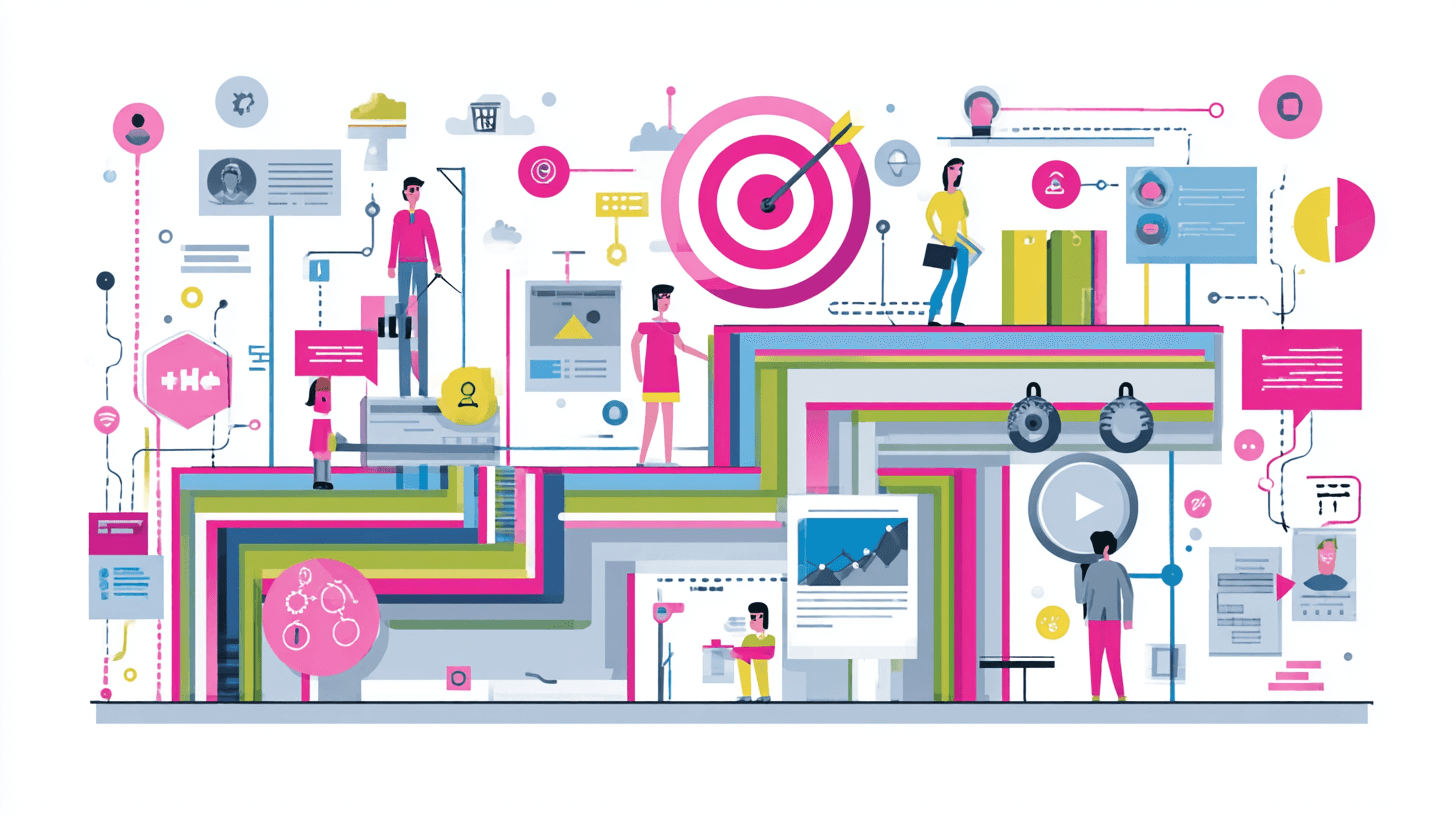
Crafting effective online campaigns requires a strategic mindset and an innovative approach. One of the first steps is defining your goals clearly. What do you want to achieve? Whether it’s boosting brand awareness, generating leads, or increasing sales, having specific, measurable objectives sets the stage for your campaign’s success. SMART goals—Specific, Measurable, Achievable, Relevant, Time-bound—serve as a useful framework for building out your strategy and assessing outcomes. When you pinpoint what success looks like, you can tailor your tactics accordingly.
Next, targeting the right audience is crucial. Using tools like Facebook Audience Insights or Google Analytics enables you to understand who your customers are and what they want. This data-driven approach helps segment your audience based on factors such as demographics, interests, and online behavior, allowing you to craft messages that truly resonate. Remember, 70% of consumers feel more connected to brands that personalize communication to them (Salesforce, 2023). So, don’t hesitate to think outside the box; consider creating audience personas to embody the different segments you’re targeting, ensuring your messaging resonates more deeply.
Now let’s not underestimate the power of compelling content—this is your chance to shine! Effective campaigns often hinge on the type of content you produce. Whether you’re creating engaging blog posts, eye-catching videos, or interactive infographics, ensure that what you share not only informs but also inspires your audience to take action. Employ strong calls to action (CTAs) strategically throughout your content. A well-placed CTA can guide your audience seamlessly through the desired conversion path, whether that’s signing up for a newsletter, downloading a whitepaper, or making a purchase.
When it comes to channels, consider utilizing a mix for maximum reach. For instance, complementing your email marketing efforts with social media posts can extend your campaign’s visibility. Leveraging platforms like Instagram or LinkedIn can drive significant traffic back to your website, multiplying engagement opportunities. And don’t shy away from experimenting with paid advertising to further bolster your reach. A/B testing different ad creatives or messaging can reveal what resonates best with your audience, allowing you to refine your strategies based on data.
Another essential strategy is to monitor, measure, and optimize continuously. Make it a habit to analyze the performance of your campaigns regularly. Tools like Google Analytics can help you track conversions and user pathways, giving you insights into what’s working and what might need tweaking. Employ metrics such as click-through rates (CTR), cost-per-acquisition (CPA), and return on ad spend (ROAS) to evaluate your results. This iterative process of testing and optimization is key to long-term success. By being agile and adjusting your campaigns based on real-time data, you remain responsive to your audience’s needs and preferences.
Lastly, never underestimate the value of engaging with your audience post-campaign. Creating a community around your brand through engagement can turn one-time buyers into loyal customers. Encourage feedback and foster conversations; this not only helps improve your offerings but also makes your audience feel valued and heard. Implementing surveys or feedback forms can provide insight into customer satisfaction and areas for improvement, setting the stage for future successful campaigns.
Through these calculated strategies, you’ll be well-equipped to run effective online campaigns that resonate with your target audience and drive tangible results. The beauty of digital marketing lies in its adaptability and the vast array of tools at your disposal, giving you the flexibility to innovate and iterate continually. So roll up your sleeves, get creative, and let’s make some marketing magic happen!
Data analytics and performance measurement
“Without data, you’re just another person with an opinion.” – W. Edwards Deming
Measuring performance and leveraging data analytics is crucial in the world of digital marketing. By understanding how to effectively collect, analyze, and interpret data, you can make informed decisions that enhance your marketing strategies. Here’s a structured approach to mastering data analytics and performance measurement.
- Define Key Performance Indicators (KPIs)
Before diving into analytics, establish clarity around what you want to measure. Your KPIs should align with your campaign goals. Examples include:- Traffic (website visits, unique visitors)
- Engagement (time on page, pages per session)
- Conversion rates (leads generated, sales made)
- Return on investment (ROI)
- Utilize Analytics Tools
Familiarize yourself with tools that can help gather and analyze data. Google Analytics is an excellent starting point. Follow these steps:- Create a Google Analytics account
- Add the tracking code to your website
- Set up goals and conversion tracking
- Regularly monitor the dashboard for insights
- Implement Tracking Mechanisms
In addition to Google Analytics, consider implementing UTM parameters for your URLs to track traffic from various sources. This approach will allow for precise tracking of campaign performance. Here’s how:- Identify the URL you want to track
- Add UTM parameters to the URL (source, medium, campaign)
- Use this URL in your marketing materials
- Analyze the traffic in Google Analytics under the “Acquisition” section
- Analyze User Behavior
Understanding how users interact with your website or content is vital. Use tools such as heat maps or session recordings to track user actions. Follow these steps:- Choose a tool (e.g., Hotjar or Crazy Egg)
- Install the necessary scripts on your website
- Monitor user engagement patterns
- Make adjustments to your content and layout based on insights
- Measure Campaign Performance
After launching your campaigns, consistently monitor the performance using your defined KPIs. Here’s how to assess the results:- Review analytics data to identify high-performing and low-performing aspects
- Calculate CTR, conversion rates, and ROI based on campaign goals
- Collect feedback via surveys or user testing to understand perceptions
- Adjust future campaigns based on data-driven insights
- Utilize A/B Testing
Testing different elements within your campaigns can provide valuable insights. Here’s a simplified process:- Select elements to test (e.g., headlines, images, CTAs)
- Create two variations and run them simultaneously
- Analyze the results to determine which version had better performance
- Implement the winning version in future campaigns
- Utilize Data for Continuous Improvement
The world of digital marketing is ever-evolving, and continuously refining your strategies is critical. Establish a routine where you regularly review data, learn from the outcomes, and adapt your tactics accordingly. This iterative process will keep your campaigns responsive to changes in audience behavior and market trends.
By implementing these steps, you’ll not only enhance your ability to measure performance accurately but also transform your data into actionable strategies. This understanding is fundamental for anyone looking to excel in digital marketing, ensuring that you can effectively maximize your efforts and drive meaningful results.
Trends shaping the future of digital marketing
 The digital marketing landscape is continuously evolving, shaped by technological advancements and shifting consumer behaviors. Keeping an eye on the emerging trends is essential for marketers who want to stay ahead. One significant trend is the rise of artificial intelligence (AI) and machine learning. These technologies are transforming how brands approach customer interactions, automating everything from content creation to user experience personalization. Imagine creating smarter email campaigns or chatbots that intuitively learn from user interactions—how might that elevate your strategy?
Another vital trend is an increased focus on privacy and data protection. Consumers are becoming more aware of how their data is used, leading to stricter regulations like GDPR and CCPA. As a digital marketer, considering the ethical implications of your strategies is crucial. Can you build trust with your audience by being transparent about how you use their data? It’s an opportunity to differentiate your brand in a crowded market.
The shift towards visual and video content is also noteworthy. With platforms like TikTok and Instagram leading the charge, video marketing is not just an option; it’s a necessity. Engaging, short-form video content garners more attention and can lead to higher conversion rates. Think about how you can incorporate video into your campaigns and what messages can be communicated more effectively through this medium.
Sustainability and corporate responsibility are increasingly influencing consumer purchasing decisions. Brands that align their messaging with values around sustainability resonate more deeply with conscious consumers. Reflect on how your brand can contribute positively to societal issues—what initiatives can you introduce to show commitment beyond just profit?
Moreover, as the digital landscape matures, the integration of omnichannel marketing becomes essential. Consumers expect seamless and consistent experiences across multiple channels, from social media to in-store interactions. Are you strategizing to deliver uniform messaging and experiences across platforms? This integration could significantly influence customer satisfaction and loyalty.
Lastly, the explosion of influencer marketing shows no signs of waning. Collaborating with influencers who align with your brand values not only expands reach but also builds trust more authentically than traditional advertising. What criteria will you establish to select the right influencers to partner with?
As these trends reshape the digital marketing landscape, staying informed and adaptable is key. With the right knowledge and tools, you can harness these changes to create impactful marketing strategies that resonate with your target audience and drive real results.
- What are the key trends shaping the future of digital marketing?
- Key trends include the rise of artificial intelligence, a focus on privacy and data protection, the demand for video content, an emphasis on sustainability, the importance of omnichannel marketing, and the ongoing popularity of influencer marketing.
- How does artificial intelligence impact digital marketing?
- AI enhances digital marketing by automating tasks such as customer segmentation, content personalization, and analytics. This technology can improve customer engagement and streamline marketing efforts, making campaigns more efficient.
- What is the significance of data privacy in digital marketing?
- With increasing regulations and consumer awareness regarding data privacy, marketers must prioritize transparency and ethical data use. Building trust through responsible data practices can strengthen customer relationships.
- Why is video content important in digital marketing strategies?
- Video content captures attention more effectively than static images or text, leading to higher engagement rates. Platforms like TikTok and Instagram highlight the importance of utilizing dynamic content to reach broader audiences.
- How can brands demonstrate sustainability in their marketing?
- Brands can show sustainability by aligning their messaging with socially responsible practices, such as reducing waste, sourcing materials ethically, and engaging in community initiatives. This aligns with the values of conscious consumers and enhances brand loyalty.
- What are the benefits of omnichannel marketing?
- Omnichannel marketing provides a seamless customer experience across multiple platforms, improving customer satisfaction and encouraging loyalty. A consistent brand message enhances recognition and builds trust with consumers.
- What should brands consider when partnering with influencers?
- Brands should ensure that their chosen influencers align with their values and target audience. Establishing clear expectations and goals for campaigns helps build effective partnerships that resonate with followers and enhance brand credibility.
Ready to Grow Your Business Online?
Four Star Digital Marketing helps businesses turn online visibility into real growth. Let’s build a smarter path to growth. Contact Four Star Digital Marketing today to discuss your goals and discover the right online marketing solution for your business.
Four Star Digital Marketing Step-by-Step Marketing Blueprint