
Prominent digital marketing certifications to consider

Ready to Grow Your Business Online?
Four Star Digital Marketing helps businesses turn online visibility into real growth. Let’s build a smarter path to growth. Contact Four Star Digital Marketing today to discuss your goals and discover the right online marketing solution for your business.
Four Star Digital Marketing Strategy Blueprints
- Prominent digital marketing certifications
- Key benefits of obtaining certifications
- Overview of popular digital marketing certifications
- How to choose the right certification for you
- Tips for preparing and succeeding in certification exams
- Future trends in digital marketing certifications
Offering a wide array of options, the realm of digital marketing certifications can sometimes feel overwhelming. However, for those keen on enhancing their credibility and honing their skills, there’s a selection of prominent certifications that truly stand out. These certifications serve not just as badges of honor but as powerful indicators of one’s knowledge and capabilities in the fast-evolving digital landscape.
One noteworthy certification is from the Google Digital Garage. This free course covers the fundamentals of digital marketing, including content marketing, data analytics, and search engine optimization. Upon completion, you earn a Google-accredited certificate, which can significantly enhance your resume and signal your competency in digital marketing strategies.
Another prominent choice is LinkedIn Learning’s Digital Marketing Certificate. This program dives deeper into specific areas of digital marketing while also providing insights into social media strategies and SEO. Completing this certification not only showcases your commitment to learning but also harnesses LinkedIn’s vast professional network, enhancing your visibility to potential employers or clients.
The HubSpot Inbound Marketing Certification is another powerful credential that highly resonates with businesses aiming for growth through content and inbound techniques. It focuses on the importance of attracting customers through content and interactions that are helpful and relevant rather than interruptive. Completing this certification can equip you with practical tools and strategies to drive traffic and nurture leads, making it invaluable for service-oriented businesses and e-commerce platforms alike.
For professionals who wish to specialize in analytics, the Google Analytics Individual Qualification (GAIQ) is an absolute must. This certification tests your understanding of Google Analytics, and mastering it can provide you with data-driven insights crucial for making informed marketing decisions. For e-commerce companies or even multi-location franchises, being proficient in data analytics makes a substantial difference in tailoring marketing strategies that yield measurable results.
Lastly, the Facebook Blueprint Certification offers professionals the chance to showcase their skills in advertising on one of the world’s largest social media platforms. This certification is essential for business owners and marketers looking to capitalize on social media’s extensive reach, ensuring that their campaigns are optimized for success in an increasingly competitive landscape.
Consider these prominent digital marketing certifications as not just educational pursuits, but as strategic tools for growth. As the digital marketing space continues to evolve, keeping skills sharp and relevant through accredited programs can be a game-changer for anyone looking to stay ahead in this dynamic field.
Key benefits of obtaining certifications
Obtaining digital marketing certifications presents numerous benefits that can significantly enhance a professional’s career trajectory. One of the most compelling advantages is the boost in credibility and marketability. According to a study conducted by the Digital Marketing Institute, 84% of employers consider certifications as making a candidate more appealing. In an environment where competition is fierce, having a recognized certification can set you apart from other applicants.
Additionally, certifications often lead to an increase in earning potential. Research from LinkedIn indicates that professionals with digital marketing certifications can earn up to 20% more than their uncertified peers. This financial incentive can motivate many to invest the time and resources needed to obtain these credentials.
Certifications also provide an opportunity to gain current knowledge and acquire Industry-Relevant Skills. The digital marketing landscape is continuously shifting, with new trends and technologies emerging regularly. Engaging in certification programs ensures that you stay on top of best practices and innovative strategies, giving you a competitive edge. For instance, keeping abreast of algorithm changes or new advertising tools can have a direct impact on a company’s performance and ROI.
Moreover, pursuing certifications fosters a sense of professional commitment. Earning a credential demonstrates perseverance and a desire for self-improvement. This commitment can positively influence your professional reputation and can lead to better job security. According to a survey by HubSpot, professionals who invest in their training and development report feeling more engaged and satisfied in their jobs, which can also lead to higher retention rates within organizations.
Networking opportunities presented through certification programs should not be underestimated. Many certification bodies provide platforms for interaction with fellow marketing professionals. These connections can lead to job opportunities, collaborations, and mentorships that further enhance one’s career.
Lastly, certifications often equip individuals with practical skills and knowledge that can be applied to real-world scenarios. By engaging in hands-on projects as part of the certification process, candidates can transition theory into practice. This is particularly valuable in fast-paced environments where applying knowledge swiftly can yield significant results.
In summary, the multifaceted benefits of obtaining digital marketing certifications cannot be overstated. From enhancing credibility and earning potential to facilitating networking opportunities and practical skill acquisition, certifications represent a wise investment for any aspiring digital marketing professional.
Overview of popular digital marketing certifications
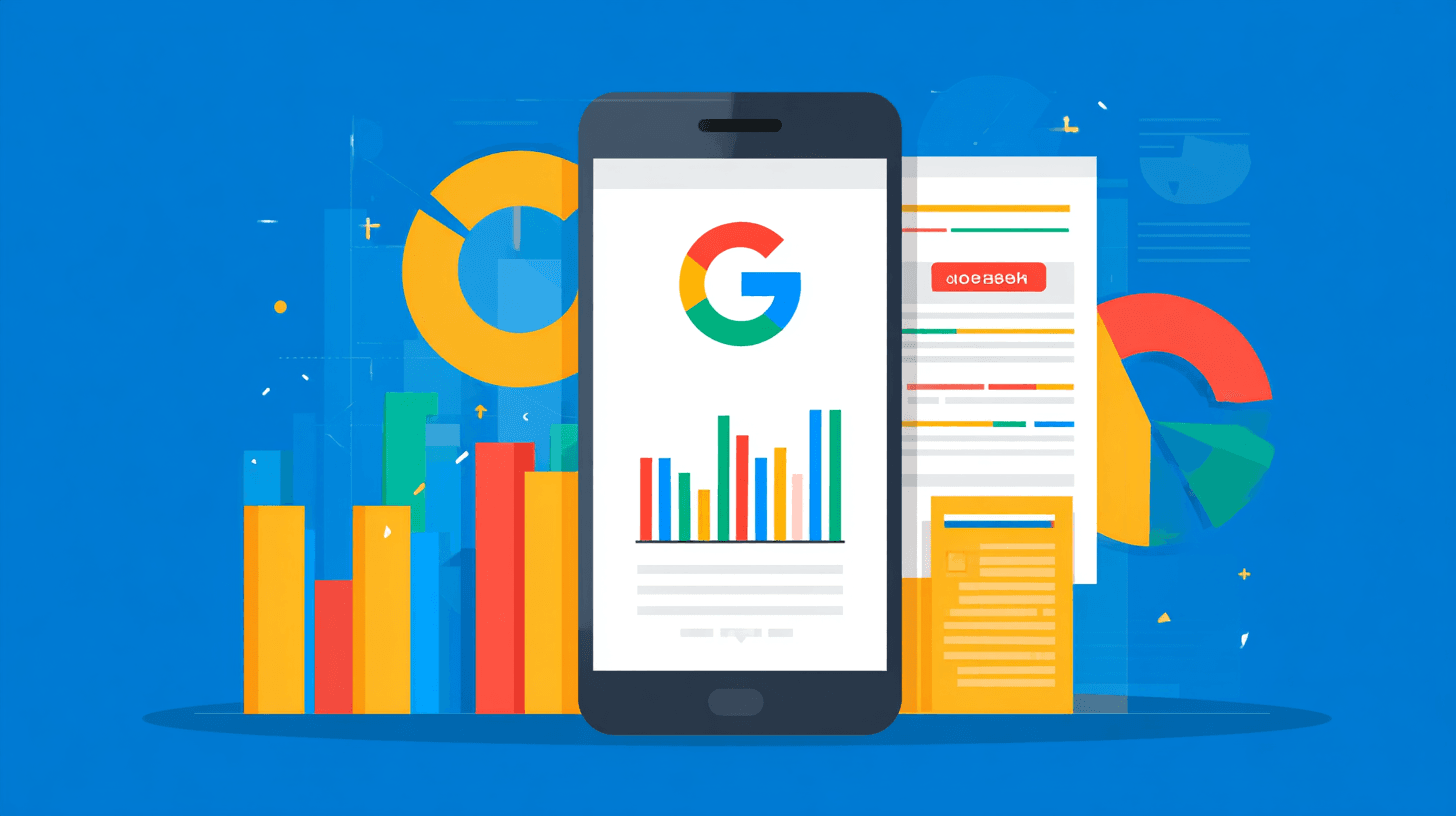
As we dive into the realm of popular digital marketing certifications, it’s essential to recognize the multifaceted options available that cater to various needs and expertise levels. Every certification carries its unique features and focal points, allowing marketers to align their education with specific career goals and organizational requirements.
Starting with the Google Ads Certification, this program stands out as crucial for anyone involved in SEM and PPC campaigns. Users learn to leverage Google Ads effectively, grasping key concepts such as campaign structuring, keyword selection, and ad optimization techniques. The certification is respected across the industry, and possessing it markedly distinguishes professionals in roles focused on driving paid traffic to websites, making it especially relevant for e-commerce businesses aiming to improve ROI rapidly.
Another formidable certification is the Content Marketing Certification from HubSpot. Content marketing is the backbone of many successful digital strategies, and this course equips marketers with the skills to create engaging content. It emphasizes storytelling and building authentic connections with the audience, elements that can propel brand loyalty in an age of information overload. Thus, service-based organizations and franchise operators looking to enhance their inbound marketing efforts can significantly benefit from this certification.
For those looking to specialize in social media marketing, the Hootsuite Social Marketing Certification offers valuable insights into managing and measuring social media strategies effectively. In today’s marketplace, where social interactions play a pivotal role in consumer decisions, mastering social platforms can lead to substantial business growth. This certification also provides best practices for content creation and community management, essential skills for freelancers and marketers representing businesses in noisy social channels.
If you’re interested in analytics, consider the Facebook Analytics Certification. While many focus on advertising, understanding analytics is key to evaluating campaign performance. This certification enables you to comprehend customer journeys and optimize ads based on data-driven insights. For multi-location companies and franchise operators, mastering analytics ensures that marketing strategies are designed to cater specifically to local markets in a cohesive manner.
Lastly, embracing a more technical approach, the SEO Certification from Moz is noteworthy for anyone looking to excel in search engine optimization. This program delves into keyword research, on-page and off-page SEO tactics, and the importance of quality content in driving organic traffic. Given that SEO continues to be a critical component of digital marketing, having this certification can significantly enhance a marketer’s skill set, making them invaluable assets to their organizations.
Each of these popular certifications comes with a unique set of knowledge and practical skills that can propel a marketing career. Understanding their individual value and alignment with your career objectives is vital in making an informed choice about which certifications to pursue.
How to choose the right certification for you
“Your brand is a story unfolding across all customer touch points.” – Jonah Sachs
To determine the most suitable digital marketing certification for your career path, consider following these systematic steps:
- Assess Your Career Goals: Reflect on what you want to achieve in your career. Are you looking to specialize in analytics, content creation, or social media marketing? Clearly defining your career objectives will help tailor your certification search.
- Analyze Existing Skills: Evaluate your current skill set to identify gaps. This can help you select a certification that complements your existing knowledge and allows room for growth. For instance, if you already have experience with SEO but lack understanding in analytics, seeking an analytics-focused certification makes sense.
- Research Certification Options: Explore the various digital marketing certifications available. Consider factors such as the course content, duration, cost, and the credibility of the issuing organization. Reliable certifications often provide a comprehensive curriculum that aligns with current industry needs.
- Consider Your Learning Style: Think about how you learn best. Do you prefer self-paced online courses, or do you thrive in an interactive classroom environment? Some programs may offer hands-on experiences, while others may be more theoretical. Choose a format that resonates with you.
- Evaluate Recognition: Investigate the industry recognition of the certification. Look for programs that are well-regarded within your desired career path. Validated certifications, such as those from Google or HubSpot, typically carry more weight among employers.
- Understand the Application Process: Familiarize yourself with the application process and any prerequisites needed for the certifications you’re considering. This will help you prepare accordingly and avoid any surprises during your enrollment.
- Seek Testimonials and Reviews: Look for feedback from individuals who have completed the certification. Platforms such as LinkedIn or dedicated forums can provide insights into the courses you’re considering. Learning about others’ experiences can guide you in making a well-informed decision.
- Plan for Recertification: Many certifications require ongoing education or recertification at certain intervals to ensure that your skills remain up-to-date. Consider whether you are willing to invest time in maintaining your certification, as this can be crucial for career longevity.
- Network with Professionals: Attend industry events or join online communities where marketing professionals congregate. Networking can provide valuable insights into which certifications are most respected and useful in your industry.
By carefully considering these steps, you can streamline your search for the appropriate digital marketing certification, aligning it with your professional aspirations and ensuring that your investment in education significantly benefits your career growth.
Tips for preparing and succeeding in certification exams
 Success in certification exams hinges on several key strategies that can dramatically enhance your readiness and performance. First and foremost, it’s essential to create a structured study plan tailored to the specific requirements of each certification. Break down the topics covered in the syllabus and allocate focused time for each. This approach not only helps in systematic learning but also allows for ample revision time before the exam, ensuring that you are well-prepared to tackle any question.
Utilizing available resources is another vital component in your preparation. Many certification programs offer study materials, practice exams, and forums for interaction with other candidates. Engaging with these resources can provide invaluable insights into the exam structure and common question types, helping you approach the certification with confidence. Additionally, consider joining study groups or forums to discuss topics with peers; sharing knowledge can often illuminate concepts that may initially seem complex.
Regular self-assessment through practice tests can help you gauge your understanding of the material. These tests not only build familiarity with the exam format but also highlight areas that require further study, allowing you to concentrate your efforts effectively. Don’t underestimate the importance of review sessions; revisiting challenging topics will reinforce your learning and ensure that important concepts are not forgotten over time.
Moreover, adopting a healthy study routine, complete with breaks and self-care, can greatly impact your concentration levels and information retention. Balancing study time with physical activity and relaxation techniques can reduce exam-related anxiety and improve overall performance. Ensure you rest adequately before the exam day, allowing your brain to process and retain the extensive knowledge you’ve accumulated.
Lastly, familiarize yourself with the test day conditions. Know what to expect regarding the exam environment, timing, and tools allowed, such as calculators or notes. This preparedness can alleviate anxiety and help you focus entirely on demonstrating your skills and knowledge. The culmination of consistent study, resource utilization, self-assessment, and proper mental conditioning sets the stage for successful certification.
- What types of digital marketing certifications are available?
- There are various types of certifications available, including those focusing on SEO, content marketing, social media marketing, digital advertising, and analytics. Some of the most recognized certifications are offered by organizations like Google, HubSpot, and LinkedIn.
- Are digital marketing certifications worth it?
- Yes, digital marketing certifications can enhance your credibility, increase your earning potential, and provide you with relevant skills in the ever-evolving marketing landscape. They also demonstrate a commitment to professional development, making you a more attractive candidate to employers.
- How long does it take to complete a digital marketing certification?
- The time required varies by certification program. Some can be completed in a few days, while others may take several weeks or months, depending on the course structure and depth of content. Many programs offer flexible scheduling to accommodate different learning paces.
- Do employers value digital marketing certifications?
- Many employers recognize certifications as indicators of skill proficiency and a commitment to ongoing learning. Studies show that having relevant certifications often gives candidates an edge over those without formal qualifications.
- How often do I need to recertify?
- Recertification requirements differ by certification body. Some require renewal every few years, often through continuing education or passing updated exams, while others may not require recertification at all. It’s essential to review the specific requirements for each certification you pursue.
- Can I prepare for certification exams on my own?
- Absolutely! Many certifications offer comprehensive online resources and learning materials. Self-study can be effective, especially if you’re disciplined and organized. However, some candidates find joining study groups or taking formal courses beneficial for motivation and support.
- What are the costs associated with digital marketing certifications?
- Costs vary widely depending on the certification program. Some certifications, like Google’s, are free, while others may range from $100 to several thousand dollars. It’s crucial to weigh the costs against the potential career benefits when deciding which certification to pursue.
Future trends in digital marketing certifications
As we look ahead, the digital marketing certification landscape is set to evolve in fascinating ways. The first trend to keep an eye on is the increasing emphasis on specialization. Just like in many professions, being a jack-of-all-trades isn’t always enough anymore. More and more companies are seeking marketers who possess deep knowledge in specific areas such as SEO, paid advertising, or content strategy. This shift means that we can expect to see a rise in niche certifications that allow professionals to showcase their expertise in these focused domains. For instance, we might see new certifications around emerging platforms or tools like TikTok marketing or AI-driven analytics.
Additionally, technology is playing a pivotal role in shaping the future of digital marketing certifications. Think about how data analytics has permeated every aspect of marketing; going forward, certifications will likely incorporate more technical skills tailored to data analysis and reporting. Professionals might have to get acquainted with tools like machine learning and AI as these technologies become integral to marketing strategies. Therefore, expect a hybrid approach in certifications that combines traditional marketing with data science principles.
Another exciting trend is the effect of continuous education on certifications. With the marketing landscape rapidly changing, staying up-to-date will become a necessity rather than just an option. Many certification bodies are moving towards models that require periodic re-certification, keeping professionals engaged with current trends and practices. This ensures that your skills remain fresh and relevant, which is a major plus for both career growth and employer confidence.
Moreover, online learning’s popularity soared during the COVID-19 pandemic, and that momentum is here to stay. As remote work continues to be the norm, certification programs will increasingly shift to online formats, offering flexibility and catering to a global audience. This will make it easier for busy professionals and business owners to engage in continuous learning, allowing them to pursue certifications at their own pace. Expect interactive elements, like virtual workshops and interactive assessments, to become a staple of online certification programs.
We can also anticipate greater integration of soft skills training within certification programs. While technical skills are essential, the ability to communicate effectively and collaborate with teams is equally vital. Future certifications may place more emphasis on skills such as leadership, critical thinking, and creative problem-solving, helping marketers to navigate the complexities of the industry better.
Lastly, as companies are becoming increasingly aware of the impact of social media and ethical marketing, focusing on social responsibility and brand values will likely become part of digital marketing certification curriculums. Marketers will need to demonstrate not only their technical proficiency but also their understanding of these broader societal issues, ensuring that all campaigns resonate with consumers on a deeper level. Understanding how to balance brand messaging with ethical considerations will be crucial for driving consumer trust and loyalty in the future.
So, in a nutshell, the future of digital marketing certifications is shaping up to be more specialized, technology-driven, and attuned to the evolving needs of both marketers and consumers. Keeping an eye on these trends will not only prepare you for your certification journey but also ensure you’re equipped with the knowledge and skills that matter the most in today’s competitive landscape.
Ready to Grow Your Business Online?
Four Star Digital Marketing helps businesses turn online visibility into real growth. Let’s build a smarter path to growth. Contact Four Star Digital Marketing today to discuss your goals and discover the right online marketing solution for your business.
Four Star Digital Marketing Step-by-Step Marketing Blueprint