

Essential skills learned in a digital marketing course

Ready to Grow Your Business Online?
Four Star Digital Marketing helps businesses turn online visibility into real growth. Let’s build a smarter path to growth. Contact Four Star Digital Marketing today to discuss your goals and discover the right online marketing solution for your business.
Four Star Digital Marketing Brand Architecture
- Essential skills gained from digital marketing courses
- Key components of digital marketing strategy
- Understanding data analytics and metrics
- Social media marketing techniques
- Content creation and management skills
- Email marketing best practices
When diving into a digital marketing course, you’re not just signing up for another run-of-the-mill class; you’re unlocking a treasure chest of essential skills that are vital for today’s marketing landscape. Picture this: you’re a business owner looking to significantly enhance your reach. What do you need? A mix of creativity, strategy, and technical know-how. Let’s explore the arsenal of skills you gain from these courses, each one designed to make you not only a participant in the digital age but a leader.
First and foremost, you’ll learn about audience segmentation—understanding your target market is fundamental. Imagine trying to sell organic dog treats without knowing if your buyer owns a dog! A good digital marketing course will teach you how to analyze demographics, psychographics, and behaviors. You’ll learn to create customer personas that help tailor your message. This skill helps you speak directly to the hearts of your ideal customers, making your marketing efforts feel personal and impactful.
Next up is content creation. In an era where content is king (or queen), having the ability to produce engaging blogs, videos, and social media posts can set you apart. Courses will guide you through storytelling techniques that resonate with your audience. You might think of it as crafting a narrative that not only sells your services but also builds a community. Reflect on how brands like Red Bull or GoPro create narratives around adventure and excitement—this isn’t just marketing; it’s about creating an experience where your customers want to be a part of your story.
And speaking of stories, let’s not forget about optimizing your content for search engines—SEO. You may feel a bit daunted by keywords and metatags, but fear not. Digital marketing courses are structured to demystify these concepts. You’ll grasp the importance of using targeted keywords strategically, ensuring your content gets visibility on search engines. Remember, great content is meaningless if no one sees it. It’s like throwing a party and forgetting to send out invitations.
Then there’s the art of analyzing data analytics and metrics. The beauty of digital marketing today is rooted in measurable results. You’ll be taught how to track everything from website traffic to conversion rates. This objective data allows you to pivot your strategy based on what’s working. Take a moment to consider this: instead of making marketing decisions based on gut feeling, you’ll employ data-driven strategies that provide tangible results.
Finally, you’ll dive into social media marketing techniques. Social platforms are the new town squares, bustling with conversations. Knowing how to navigate these platforms is crucial. Each social media site has its language and culture; what works on Twitter may fall flat on Instagram. A well-rounded course will illuminate the nuances of each platform, teaching you how to engage, listen, and convert your followers into loyal customers.
In short, the skills acquired from a digital marketing course are not just about mastering tools and tactics; they’re about developing a mindset of curiosity and adaptability. As you venture deeper into this realm, remember that every bit of knowledge you gain can transform your approach, leading to more robust and effective marketing strategies that resonate with real people.
Key components of digital marketing strategy
A successful digital marketing strategy requires a multifaceted approach, integrating various components that work in harmony to achieve overarching business goals. Understanding how to align these different elements is crucial for maximizing impact and enhancing brand presence.
– Market Research: The foundation of any sound digital marketing strategy is thorough market research. It helps identify trends, understand consumer behavior, and recognize competitors. For instance, conducting surveys or utilizing tools like Google Trends can inform your approach, ensuring your strategy aligns with current market demands. When Nike launched its ‘Dream Crazy’ campaign, extensive market research revealed a growing consumer affinity for social justice issues, allowing them to resonate deeply with their audience.
– Goal Setting and Metrics: Establishing clear, measurable goals is essential. By defining specific objectives—such as increasing website traffic by 30% within six months—you create a roadmap for your strategy. Courses often emphasize the importance of metrics. Using tools like Google Analytics, you can track progress against these goals, making informed adjustments to your tactics. Consider how Sprout Social uses engagement metrics to refine their social media campaigns, ensuring they focus on what resonates most with their audience.
– Channel Selection: With numerous platforms available, choosing the right channels to implement your strategy is critical. This might include social media, email marketing, Pay-Per-Click (PPC) advertising, or content marketing. Each channel has its unique strengths. For example, Instagram offers visual storytelling opportunities ideal for lifestyle brands, while LinkedIn serves as a powerful tool for B2B marketing. A well-rounded course in digital marketing will guide you through selecting channels that best reach your target audience.
– Customer Journey Mapping: Understanding the customer journey is essential for crafting personalized experiences. Mapping out how potential customers interact with your brand—from awareness to consideration to purchase—allows for targeted messaging at each stage. Think about how Amazon tailors its customer experience based on browsing behavior, leveraging this understanding to recommend products that enhance user satisfaction and drive sales.
– Content Strategy: Creating high-quality, relevant content is central to engaging your audience. A well-structured content strategy defines what content will be produced, how it will be distributed, and how it aligns with customer interests and needs. For instance, HubSpot excels in providing valuable content that addresses the pain points of its audience, establishing itself as a thought leader and driving inbound marketing success.
– Budgeting and Allocation of Resources: Finally, effective budgeting is crucial for implementing a successful digital marketing strategy. Allocating resources wisely helps optimize return on investment (ROI). Understanding where to invest funds—whether in paid ads, content creation, or technology—can significantly impact the performance of your campaigns. Consider Southwest Airlines, which effectively allocates budget towards social media engagement, resulting in higher customer loyalty and brand alignment.
Integrating these components not only enhances the strength of a digital marketing strategy but also prepares marketers to adapt to an ever-transforming digital landscape. Each element plays a significant role in ensuring that your efforts yield the desired outcomes, fostering continuous growth and engagement with your audience.
Understanding data analytics and metrics
In today’s data-driven landscape, mastering the art of analytics and metrics is non-negotiable for anyone serious about digital marketing. Understanding how to interpret data transforms a marketer from a mere participant to a strategic player. The ability to analyze metrics provides insight that is essential for optimizing campaigns, enhancing user experience, and driving results. Think of it this way: data is like a compass, pointing you in the right direction based on what’s working and what’s not. Without it, you’re navigating in the dark.
Starting with website analytics, platforms like Google Analytics serve as your best friend. They offer a wealth of information, from user demographics to behavior patterns on your site. Imagine knowing which pages draw the most traffic, or where visitors drop off before making a purchase. This information allows you to refine your website’s user journey effectively. In a nutshell, studying these metrics equips you with the knowledge to enhance navigation and content, ultimately improving conversion rates.
Beyond simple visitation data, understanding conversion metrics is critical. These can span email signups, downloads, purchases, or any action you want your audience to take. The power lies in tracking how visitors interact with your brand across platforms. By utilizing A/B testing, a technique frequently taught in digital marketing courses, you can compare two versions of a webpage or email to determine which performs better. Consider how a minor change in call-to-action colors or wording can significantly influence your audience’s response. The difference might seem tiny, but it can lead to substantial gains in engagement.
Let’s not overlook social media metrics, which provide unique insights into audience engagement and content performance. Tools like Facebook Insights or Twitter Analytics offer data on post reach, impressions, and interactions. Recognizing which types of content resonate best with your followers empowers you to craft more engaging campaigns tailored to your audience’s preferences. For instance, if video content consistently performs better than static images for your target audience, that’s a clear signal to invest more in video production.
And then there are key performance indicators (KPIs)—the vital signs of your marketing health. Whether it’s return on investment (ROI), customer acquisition cost (CAC), or customer lifetime value (CLV), understanding these metrics allows you to gauge the overall effectiveness of your strategies. Evaluating KPIs regularly can help you pivot when necessary, ensuring you are always aligning your marketing efforts with business objectives. Imagine analyzing a drop in ROI during a campaign; it might prompt deeper investigation into your targeting or ad spend.
Ultimately, leveraging data analytics and metrics grants you the ability to make informed, strategic decisions. It’s a skill that transforms how you approach your marketing strategies, transitioning you from operating on instinct to relying on concrete data. As you embrace these insights, your ability to adapt and refine your tactics will not only enhance performance but also solidify your reputation as a knowledgeable player in the digital marketing realm.
Social media marketing techniques
Social media marketing techniques are essential for connecting with audiences in today’s digital landscape. Mastering these techniques can significantly enhance a brand’s visibility, engagement, and conversion rates. Here’s a step-by-step approach to effectively harnessing the power of social media for marketing purposes:
- Choose the Right Platforms: Not all social media platforms suit every target audience or brand. Evaluate where your audience spends their time and select platforms that align with your marketing goals. For instance:
- Facebook: Ideal for reaching a broad audience.
- Instagram: Great for visual storytelling and younger demographics.
- LinkedIn: Best for B2B marketing and professional networking.
- Create Engaging Content: Content is the lifeblood of social media. Your content should be:
- Relevant: It should address your audience’s interests and needs.
- Varied: Utilize a mix of images, videos, stories, and polls to keep your audience engaged.
- Authentic: Share behind-the-scenes looks into your brand to build trust and connection.
- Leverage Hashtags Wisely: Hashtags can boost the discoverability of your posts. Research trending and relevant hashtags within your niche. Employing a mix of popular and niche hashtags can lead to a wider audience reach and engagement. For example, while using #Marketing is broad, pairing it with a niche #ContentMarketing can target more specific audiences.
- Engage with Your Audience: Social media is a two-way communication channel:
- Respond to Comments: Acknowledge audience feedback and inquiries to foster a sense of community.
- Run Contests and Giveaways: Encourage user interaction and referrals by rewarding participants.
- Utilize Polls and Surveys: Engage your audience while gaining valuable insights into their preferences.
- Monitor Analytics: Use built-in analytics tools (like Facebook Insights and Twitter Analytics) to assess the performance of your posts:
- Track Engagement Rates: Understand what type of content drives the most interactions.
- Analyze Audience Demographics: Adjust your strategy based on who is engaging with your content.
- Adjust Posting Times: Identify peak engagement times and align your posting schedule accordingly.
- Paid Advertising: Boost your reach through paid advertising options available on platforms. Consider targeted ads to increase visibility among specific segments of your audience. Set clear objectives for ad campaigns, whether it’s brand awareness, lead generation, or conversions.
- Consistent Brand Voice: Maintain a cohesive and authentic brand voice across all platforms. This consistency enhances recognition and builds trust. Consider how brands like Nike or Apple carry their unique tones and themes throughout every interaction they have with customers.
“Social media is not just a spoke on the wheel of marketing. It’s becoming the way entire bicycles are built.” — Ryan Lilly
By mastering these techniques, you can ensure that your social media marketing strategy is not only effective but also resonates with your audience, driving engagement and conversions. Each step, when implemented with diligence, contributes significantly to building a robust online presence that can elevate your brand to new heights.
Content creation and management skills
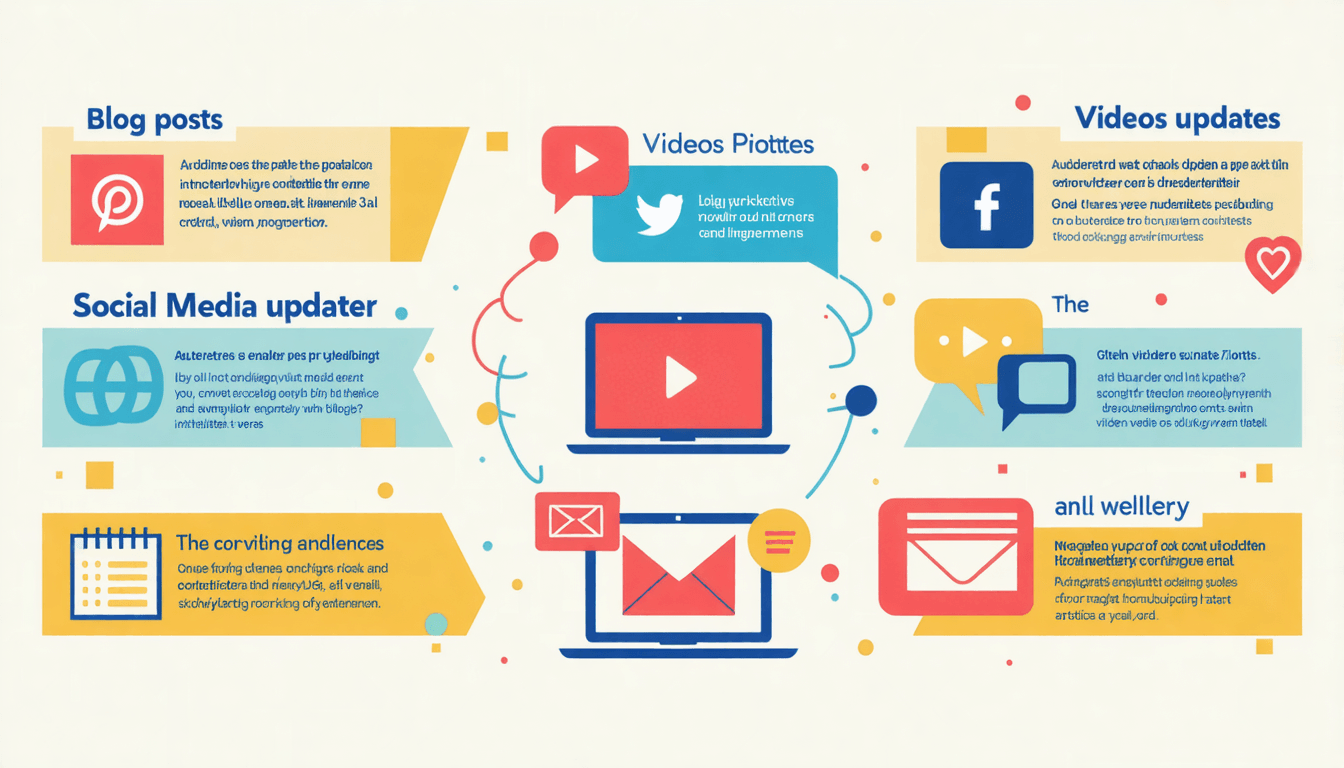 When immersing yourself in the realm of digital marketing, one of the most significant skills you’ll develop is the capability to create and manage content effectively. This is not just about writing; it’s about crafting impactful narratives that resonate with your audience and serve business goals. A digital marketing course equips you with the ability to produce content strategically, ensuring it fulfills specific purposes—whether that means engaging your audience, generating leads, or driving conversions.
The emphasis on storytelling in content creation cannot be overstated. Successful brands don’t just sell products; they tell stories that weave their values into their audience’s lives. Imagine a campaign that doesn’t merely inform but inspires—the ability to strike emotional chords through visuals, headlines, and messages can set you apart in a crowded digital marketplace. You’ll learn to construct compelling stories that enhance brand loyalty and foster community engagement while encouraging customers to not just interact, but to advocate for your brand.
Moreover, managing content involves understanding the full lifecycle of what you publish. From planning and production to distribution and analysis, every step is crucial. You’ll gain insights on how to deploy editorial calendars that keep your content organized and timely, ensuring a steady flow that keeps your audience coming back for more. Think about how companies like HubSpot have utilized consistent content schedules to build authority in their industry—this approach is core to creating lasting impressions.
In today’s hyper-competitive landscape, optimizing your content for search engines is essential for driving traffic to your website. You’ll be introduced to crucial techniques such as keyword research, on-page SEO, and technical SEO, empowering you to ensure your content not only resonates with readers but also ranks well in search results. Understanding how these elements interplay elevates your digital marketing strategy and transforms mere words into powerful tools for engagement and conversion.
Furthermore, managing content isn’t just a one-off task—it’s an ongoing process. You’ll explore best practices for updating and repurposing existing content, ensuring it remains relevant and continues to serve your marketing objectives. Reflect on how a simple blog post can be transformed into a series of social media snippets, an infographic, or even a video; this multiplicative approach maximizes the value derived from your content creation efforts.
Lastly, monitoring and analyzing the performance of your content is vital. You’ll learn how to use analytics tools to gauge what type of content performs best, allowing you to pivot your strategy effectively. Whether it’s between blog posts, video content, or social media engagement, the insights drawn from analytics will guide you in refining your messaging and optimizing future content. This data-driven approach solidifies your role as a digital marketer who is not only creative but also strategic and informed.
- What types of content can I learn to create in a digital marketing course?
- A digital marketing course will typically cover various content types, including blog posts, social media updates, videos, infographics, and email newsletters. You’ll gain insights into how to craft engaging and relevant material across these platforms.
- How does SEO impact content creation?
- SEO (Search Engine Optimization) ensures that your content ranks higher in search engine results, making it more discoverable. A well-structured digital marketing course will teach you to integrate keywords effectively and optimize content for visibility.
- Can content creation skills help with brand building?
- Absolutely! High-quality, engaging content helps establish a brand’s voice and connect with audiences, fostering loyalty and recognition. It’s key to creating a compelling narrative that resonates with your target audience.
- What tools can I use for content management?
- There are numerous tools available for content management, including content calendars, project management software, and analytics tools like Google Analytics. These help organize production, distribution, and performance tracking of your content.
- Why is storytelling important in content creation?
- Storytelling engages audiences on an emotional level, making your brand more relatable. It transforms standard content into memorable experiences that resonate and encourage customer loyalty.
- How can I measure the success of my content?
- By using analytics tools, you can measure key performance metrics such as engagement rates, conversion rates, and traffic sources. This data helps assess what types of content resonate with your audience and guides future strategy.
- Are there specific skills I need for effective content management?
- Key skills involve strong writing abilities, creativity, SEO understanding, project organization, and data analysis. A digital marketing course will help develop these essential skills to ensure effective content management.
Email marketing best practices
Email marketing is a powerful, cost-effective tool in the digital marketing arsenal. It allows businesses to reach customers directly, creating personal connections that foster loyalty and engagement. However, executing successful email campaigns goes beyond just hitting send. It requires a blend of strategy, creativity, and analysis—skills that are honed through digital marketing courses. Let’s unpack some best practices that will elevate your email marketing game and deliver impressive results.
First and foremost, understanding your audience is crucial. Personalization is no longer just a nice touch; it’s an expectation. By segmenting your email list based on customer behaviors, preferences, or demographics, you can tailor your messages to meet specific needs. For example, if you’re a franchise operator, you could segment your list by location or purchase history, sending targeted promotions that resonate with each group. Personalized emails have been shown to generate six times higher transaction rates than non-personalized emails, according to Experian. Think about it: would you rather receive a generic mass email or one that speaks directly to your interests?
Next, crafting compelling subject lines is an art form in itself. Your subject line is the first thing recipients see, and it significantly impacts open rates. A well-optimized subject line can mean the difference between an email being read or just another message lost in the inbox abyss. Aim for brevity, clarity, and intrigue. Testing different subject lines can provide insights into what resonates with your audience. Use A/B testing to try out variations; for instance, experiment with urgency (“Flash sale ends at midnight!”) versus curiosity (“You won’t believe what we have for you…”). Insightful metrics from past campaigns can guide your approach to subject line strategies.
Then there’s the content itself. Engaging emails that provide value to the reader will drive conversions. Whether you’re sharing educational content, product recommendations, or exclusive promotions, ensure that the content aligns with the interests of your audience. Clear calls to action (CTAs) are essential, directing your recipients on what to do next—be it making a purchase, downloading a resource, or visiting your website. Utilize buttons and bold text to make CTAs pop. Remember, the goal is to guide your recipient seamlessly from reading to taking action.
Don’t underestimate the power of mobile optimization. With over half of emails opened on mobile devices, ensuring your emails are mobile-friendly can’t be ignored. This might mean using responsive email designs, concise copy, and easily clickable buttons. If someone opens your email on their phone and the layout is off or the buttons are difficult to tap, chances are they’ll quickly close it and move on. Make their experience as smooth as possible.
As you develop your email marketing skills, monitoring and analyzing the performance of your campaigns becomes pivotal. Key metrics such as open rates, click-through rates, and conversion rates will guide your strategy, helping to optimize future campaigns. Tools like Mailchimp and Constant Contact provide robust analytics that help you dissect what works and what doesn’t. This data-driven approach not only fine-tunes your tactics but also fosters a culture of learning and improvement.
Finally, consistency is key in establishing a recognizable brand presence through email marketing. Regular communication keeps your audience engaged and ensures your brand remains top-of-mind. Whether it’s a monthly newsletter, weekly promotions, or special holiday communications, your subscribers should expect to hear from you. But remember, it’s not just about frequency; it’s about meaningful engagement. This balance will nurture lasting relationships and drive not only immediate sales but long-term brand loyalty.
By embedding these best practices into your email marketing strategy, you’re equipping your business for success in the digital landscape. Email marketing isn’t just a tactical decision; it’s a strategic opportunity to connect with your customers, nurturing them at every stage of their journey. With practice and optimization, you’ll turn your email campaigns into powerful engines for growth.
Ready to Grow Your Business Online?
Four Star Digital Marketing helps businesses turn online visibility into real growth. Let’s build a smarter path to growth. Contact Four Star Digital Marketing today to discuss your goals and discover the right online marketing solution for your business.