

Digital marketing courses with a focus on content marketing

Ready to Grow Your Business Online?
Four Star Digital Marketing helps businesses turn online visibility into real growth. Let’s build a smarter path to growth. Contact Four Star Digital Marketing today to discuss your goals and discover the right online marketing solution for your business.
Four Star Digital Marketing Branded Voice Cards
- Understanding content marketing strategies
- Key components of successful content marketing
- Overview of popular digital marketing courses
- Best practices for content marketing in digital education
- Measuring the effectiveness of content marketing efforts
Content marketing strategies are at the heart of modern digital marketing efforts, providing a pathway for businesses to connect meaningfully with their audience. The essence of a successful strategy lies not just in what you create but how it aligns with your audience’s needs and behaviors. Think of it as a conversation rather than a monologue—one that cultivates relationships over time. To truly understand content marketing strategies, consider three foundational principles: audience understanding, content alignment with business goals, and continuous optimization.
At the core of any effective content marketing strategy is a deep understanding of the target audience. This involves creating detailed buyer personas that encapsulate not just demographic data, but also insights into their pain points, preferences, and online behaviors. For instance, if you’re running a franchise that serves a diverse clientele, it’s imperative to segment your audience based on their unique needs and tailor content that speaks directly to them. Research shows that personalized content can lead to better engagement rates, as it resonates more effectively with consumers.
Next, the content needs to align with your business objectives. Every piece of content should serve a strategic purpose—whether that’s generating leads, building brand awareness, or establishing authority in your niche. For example, if your goal is to generate leads, consider creating in-depth guides or eBooks that provide immense value, such as “The Ultimate Guide to Digital Marketing for E-commerce Businesses.” This not only positions you as an expert in the field but also garners contact information when downloaded, funneling potential clients into your sales pipeline.
Moreover, a successful strategy is never static. Continuous optimization is essential. It’s crucial to regularly analyze the effectiveness of your content marketing efforts through metrics such as engagement rates, conversion rates, and website traffic. Tools like Google Analytics or social media insights can illuminate which content resonates best with your audience, allowing you to refine your approach and boost engagement. For instance, if a blog post on SEO strategies generates significantly more traffic than other topics, it’s worth producing more content in that vein or even creating a course based on it.
Integrating these principles into your content marketing strategy can help ensure that your efforts are not only aligned with your brand’s vision but also effectively reaching and influencing your target audience. Much like a delicate dance, it requires attention to detail and a responsiveness to feedback. By focusing on these strategies, you can lay down a solid foundation for your digital marketing initiatives, making your content a powerful asset in the competitive landscape of online business.
Key components of successful content marketing
Successful content marketing hinges on several key components that serve as the building blocks for crafting impactful and engaging content. Understanding and implementing these components can greatly enhance the effectiveness of your digital marketing endeavors.
One of the most crucial elements is audience engagement. Creating content that invites interaction, such as blog posts with comment sections, social media polls, or interactive infographics, encourages viewers to take part in a dialogue with your brand. For example, a company like HubSpot frequently utilizes quizzes and assessments on their website to not only draw in traffic but also learn more about their audience’s preferences. This two-way interaction fosters community and loyalty while also providing valuable data that can inform future content strategies.
Another foundational component is delivering high-quality, relevant content that meets the needs of your audience. This means moving beyond simple promotional material and providing genuine value through educational articles, how-to guides, or entertaining videos. For instance, the digital marketing course offered by Google provides resources and tutorials designed to help students master key aspects of online marketing. This not only builds trust in the brand but also positions Google as a credible resource in the industry.
Content consistency is also vital. Establishing a regular posting schedule enables your audience to anticipate new content, thus fostering continued engagement. For example, companies like Buffer have mastered the art of consistent content through their blog, releasing high-quality posts every week that offer insights into social media management and marketing. This commitment to consistency allows Buffer to maintain a loyal readership while enhancing their authority in the digital marketing space.
Moreover, it is critical to prioritize SEO optimization within your content marketing strategy. Keywords, meta descriptions, and alt text for images must be carefully integrated to improve search engine visibility. For example, if a startup focuses on “local digital marketing courses,” ensuring that this phrase appears organically throughout their website—through blog posts, FAQs, and service descriptions—can drive organic traffic from users seeking relevant educational opportunities.
The component of analytics and performance measurement cannot be overlooked. Utilizing analytics tools to monitor metrics such as page views, click-through rates, and lead conversion can provide insights into your content’s effectiveness. For instance, by analyzing which educational video on content marketing received the most engagement, companies can pivot their strategy to produce similar content. An example of this would be a company like Moz, which effectively uses data from its blog to inform their future offerings and course topics based on what resonates most with their audience.
Integrating these components—audience engagement, content quality, consistency, SEO, and analytics—can lead to a robust and successful content marketing strategy. By focusing on these key elements, businesses not only enhance their brand visibility but also build stronger relationships with their audience, driving long-term success in the digital marketing arena.
Overview of popular digital marketing courses

When diving into the world of digital marketing courses, it’s essential to highlight those offerings that truly stand out for their focus on content marketing. With so many options available, pinpointing courses that not only teach the fundamentals but also provide actionable insights ensures that you’re investing your time—and potentially your money—wisely. Here’s a curated overview of some of the most popular courses that can help boost your content marketing efforts.
First up, we have the Content Marketing Certification Course by HubSpot. This free course is a goldmine for business owners and marketers alike. It covers everything from the basics of creating a content strategy to how to execute a successful content marketing campaign. HubSpot’s reputation in the industry also means you’ll be learning from the best, with lessons grounded in real-world applications. Plus, the interactive quizzes along the way keep things engaging and ensure you’re really absorbing the information.
Next, consider the Digital Marketing Specialization by the University of Illinois on Coursera. While it’s a broader look at digital marketing, there are specific modules that delve deeply into content marketing strategy and implementation. The flexibility of this online course allows you to learn at your own pace, and it’s great for marketers who want a comprehensive understanding fused with practical exercises. You’ll walk away equipped not just with theoretical knowledge but also with skills that can make an immediate impact on your work.
Another notable mention is Copywriting for Content Marketing by CopyBlogger. This course focuses specifically on the art of persuasive writing within the content marketing context. If you’re struggling to craft content that resonates with your audience, this is the course for you. CopyBlogger has built a solid reputation for equipping marketers with the skills to write compelling copy that drives conversions. It’s all about making your content irresistible!
For those who are more visual learners, the Content Marketing Masterclass by Udemy takes a slightly different approach. Packed with video content, this course covers a wide range of topics including blog creation, social media marketing, and even email newsletters. The comprehensive nature of this course means you can find unique insights regardless of where you currently stand in your marketing journey. Plus, the community forum connections are invaluable for networking and sharing experiences with fellow marketers.
If you’re on the lookout for something that gets straight to the point, look no further than the SEO-Driven Content Marketing Course by LinkedIn Learning. In today’s digital landscape, SEO and content marketing go hand in hand. This course provides a concise yet thorough look into how to align your content strategies with SEO best practices. By the end of it, you’ll have a toolkit filled with strategies to ensure your content doesn’t just exist but is also discoverable by your target audience.
Lastly, for those who want to get really granular, the Content Marketing University by the Content Marketing Institute is an advanced option. This program is designed for those who are already somewhat familiar with content marketing but want to take their skills to the next level. With deep dives into case studies and expert-led webinars, you’ll get insights that can lead to tangible results for your content marketing efforts.
Choosing the right course ultimately depends on your learning style and specific goals. Whether it’s through free resources, structured classes, or focused workshops, integrating robust education in content marketing into your repertoire will help you craft campaigns that not only reach your audience but also engage them in meaningful ways.
Best practices for content marketing in digital education
“The best marketing doesn’t feel like marketing.” – Tom Fishburne
To implement effective content marketing strategies in the realm of digital education, it’s vital to follow best practices that ensure your efforts yield fruitful results. Here are key steps to enhance your content marketing in this specific sector:
- Identify Your Target Audience: Start by defining who your audience is. Create detailed profiles that encompass their demographics, interests, and pain points. Understanding your audience will help tailor your content to meet their needs effectively.
- Create Valuable Educational Content: Focus on producing high-quality, informative content that directly addresses the needs of your audience. This could include blogs, ebooks, webinars, and tutorials that educate rather than overtly sell. For example, a course on digital marketing can include practical exercises that deepen understanding of SEO techniques.
- Utilize Multimedia Formats: Diversify your content formats to cater to different learning preferences. In addition to traditional text-based articles, incorporate videos, infographics, and podcasts. These formats can enhance engagement and make complex information easier to digest.
- Implement a Consistent Posting Schedule: Establish a regular cadence for content publication. Consistency keeps your audience anticipating new content and helps build brand loyalty. Use a content calendar to plan and organize your topics and timelines.
- Optimize for SEO: Ensure all your content is optimized for search engines. Use relevant keywords, meta tags, and backlinks to improve visibility. For instance, if you’re targeting the phrase “best digital marketing courses,” make sure it’s integrated seamlessly into your posts.
- Promote Your Content Strategically: Use social media platforms and email marketing to promote your content. Develop a strategy for sharing your content across channels where your audience is most active. Engage with your followers and encourage them to share your resources, increasing your reach.
- Analyze Performance Metrics: Track the effectiveness of your content through analytics. Monitor metrics such as page views, bounce rates, and conversion rates. Evaluating this data will help you understand what resonates with your audience and guide future content creation efforts.
- Encourage Audience Interaction: Foster a community by encouraging comments, questions, and discussions on your platforms. Incorporate polls and surveys to gather feedback, which can also inform your future content strategies.
- Iterate Based on Feedback: Be open to adjusting your strategy based on audience feedback and performance analysis. If certain types of content, like video tutorials or interactive quizzes, perform better, consider focusing more on those formats.
- Stay Updated with Industry Trends: The digital marketing landscape is ever-changing. Frequently update your knowledge about new trends and tools in content marketing. Participate in webinars or read industry blogs to keep your content relevant and useful.
By implementing these best practices, digital education providers can enhance their content marketing efforts, leading to better engagement and increased visibility. Well-crafted and strategically-promoted educational content not only informs but also builds lasting relationships with your audience.
Measuring the effectiveness of content marketing efforts
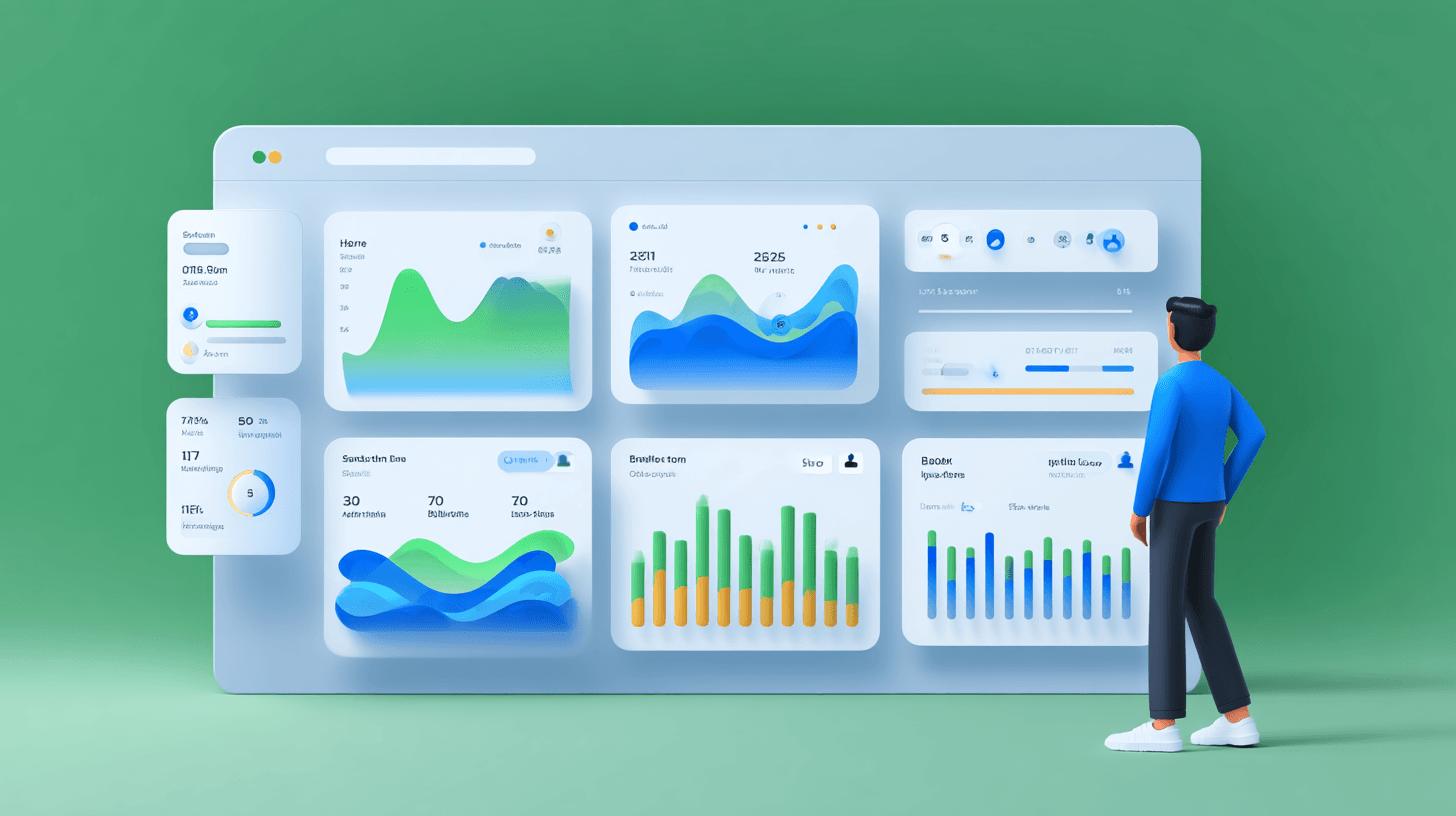 Measuring the effectiveness of content marketing requires a multifaceted approach that goes beyond just tracking simple metrics. Businesses should employ a combination of qualitative and quantitative methods to fully understand the impact of their content. The ultimate goal is not just to generate traffic but to assess how well your content connects with your audience and drives desired actions.
One method to measure effectiveness is through engagement metrics, such as likes, shares, comments, and time spent on page. High engagement levels often indicate that your content resonates with the audience. Additionally, looking into user feedback, such as comments and surveys, can provide qualitative insights into how the content is perceived, helping to refine future strategies. Tools like social media analytics can offer a wealth of information on how your content performs across various platforms.
Conversion metrics are another critical consideration. Analyzing the conversion rates associated with specific pieces of content can reveal what types are most effective at motivating action, whether that’s signing up for a newsletter, downloading a resource, or making a purchase. A well-crafted call to action (CTA) at the end of a blog post or video can significantly influence conversion rates, effectively guiding your audience towards the next steps.
Another vital aspect is the use of A/B testing. By creating two variations of a specific piece of content, you can directly compare performance metrics. This can be particularly useful for determining which headlines, formats, or CTAs drive better results. For example, if one version of a blog post attracts more views and leads compared to another, you can leverage this data to inform future content strategies.
Furthermore, tracking the overall ROI of content marketing efforts can cement the justification for budgets and resources allocated to this essential strategy. By linking content performance to revenue generation—such as through lead generation forms or sales conversions—marketers can provide clear evidence of the monetary value created through their initiatives.
Regularly analyzing these metrics will enable adjustments that align with evolving audience preferences and business goals. The digital marketing landscape is dynamic, and what works today may not have the same impact tomorrow. The continuous assessment of content efficacy is key to developing a content marketing strategy that not only meets but exceeds expectations, fostering long-term relationships with your audience.
- What is the best way to measure content marketing effectiveness?
- Utilize a combination of engagement metrics, conversion rates, and audience feedback to assess content performance. Tools like Google Analytics and social media insights are essential for tracking these metrics effectively.
- How can I improve my content’s engagement rates?
- To enhance engagement, focus on creating high-quality, relevant content that invites interaction. Incorporate multimedia elements, encourage discussions, and use compelling CTAs to motivate your audience to engage with your content.
- What role does A/B testing play in content marketing?
- A/B testing allows marketers to compare two variations of content to see which performs better. This method provides actionable insights into audience preferences, enabling data-driven decisions for future content creation.
- How often should I analyze my content performance?
- Regular analysis is recommended, ideally on a monthly or quarterly basis. Frequent evaluations help to identify trends and areas for improvement while ensuring your content remains effective in meeting audience needs.
- What metrics should I focus on for conversion tracking?
- Focus on metrics like click-through rates (CTR), lead generation, and sales conversions. These metrics will provide insight into how effectively your content encourages users to take desired actions.
- How can I track ROI from my content marketing efforts?
- To effectively track ROI, link your content performance metrics to revenue outcomes. Use tracking tools to assess how content contributes to lead generation and sales conversions, providing a clear picture of its financial impact.
- Can audience feedback influence future content strategies?
- Absolutely! Audience feedback can reveal valuable insights about what resonates with your readers, enabling you to refine your content strategy based on their preferences and suggestions.
Ready to Grow Your Business Online?
Four Star Digital Marketing helps businesses turn online visibility into real growth. Let’s build a smarter path to growth. Contact Four Star Digital Marketing today to discuss your goals and discover the right online marketing solution for your business.
Four Star Digital Marketing Step-by-Step Marketing Blueprint