

Digital marketing courses that incorporate emerging technologies

Ready to Grow Your Business Online?
Four Star Digital Marketing helps businesses turn online visibility into real growth. Let’s build a smarter path to growth. Contact Four Star Digital Marketing today to discuss your goals and discover the right online marketing solution for your business.
Four Star Digital Marketing Branded Voice Cards
- Emerging technologies in digital marketing
- Key benefits of digital marketing courses
- Top courses that integrate new technologies
- Future trends in digital marketing education
- Essential skills for digital marketers in a tech-driven world
The landscape of digital marketing is continually evolving, driven by a host of emerging technologies. As business owners and digital marketers strive to stay ahead of the competition, understanding and leveraging these advancements becomes essential. Technologies such as artificial intelligence (AI), machine learning, virtual reality (VR), augmented reality (AR), and blockchain are not just buzzwords; they are revolutionizing how we connect with consumers and optimize marketing strategies.
For instance, AI empowers marketers to analyze data at unprecedented speeds. This capability allows for the identification of trends and consumer behaviors that were previously unnoticeable. Tools like chatbots, powered by AI, enhance customer service by providing instant responses, thus improving user experience and boosting engagement. Imagine running an e-commerce platform where customers receive immediate support at all hours; this can greatly lead to increased conversions and customer loyalty.
Machine learning, a subset of AI, takes this a step further, allowing algorithms to learn from data patterns and adapt over time without human intervention. This is particularly useful for targeting ads more effectively and predicting consumer preferences. For example, platforms like Facebook and Google Ads utilize machine learning to optimize campaigns in real time, ensuring that the right audience receives the right message at the right time.
On another front, virtual and augmented reality offer immersive experiences that can engage customers in ways traditional media cannot. For instance, home décor brands use AR to allow customers to visualize how furniture would look in their homes before purchasing. This kind of interactive experience not only aids in decision-making but also significantly reduces return rates, enhancing profitability. The proliferation of VR in digital marketing opens avenues for virtual events, product launches, and experiences that can foster a strong emotional connection with the brand.
Blockchain technology also has marked implications for digital marketing, particularly regarding transparency and trust. As the digital landscape becomes increasingly fraught with concerns about data integrity and privacy, utilizing blockchain can help build consumer trust through transparent advertising practices. This technology enables marketers to authenticate ad views, ensuring that their advertising dollars are well spent and reaching their intended audiences.
Adopting these emerging technologies isn’t just an optional upgrade; it has become a vital component of a forward-thinking digital marketing strategy. Business owners who recognize and invest in these innovations may find themselves reaping significant rewards, as they not only enhance customer engagement but also drive efficiency and growth within their organizations.
Key benefits of digital marketing courses
– Digital marketing courses provide a structured environment for learning and mastering new skills essential for navigating the complex landscape shaped by emerging technologies. As noted by the influential management thinker Peter Drucker, “The best way to predict the future is to create it.” By enrolling in specialized courses, individuals can proactively shape their careers in a rapidly evolving industry.
– One of the primary benefits of these courses is the opportunity to gain hands-on experience with the latest tools and technologies. Many courses incorporate practical projects that enable learners to apply theoretical knowledge in real-world scenarios, fostering a deep understanding of concepts such as SEO, data analytics, and social media marketing.
– Networking opportunities abound in digital marketing courses, where students can connect with peers, industry leaders, and potential employers. As author John Donne famously said, “No man is an island.” Being part of a community allows learners to exchange ideas, collaborate on projects, and glean insights from diverse perspectives.
– Many digital marketing courses emphasize the importance of data-driven decision-making. Knowledge of analytics tools is indispensable for modern marketers, as the ability to interpret data and derive actionable insights can significantly impact campaign effectiveness. As the statistician Edward Deming asserted, “In God we trust; all others bring data.”
– Adaptability is another key benefit of participating in these courses. The digital marketing landscape is characterized by continuous innovation, and staying updated on the latest trends is crucial. Courses that focus on emerging technologies prepare marketers to anticipate changes and pivot strategies as needed, fostering resilience and creativity in problem-solving.
– Finally, completing a digital marketing course can enhance one’s credibility in the job market. Many employers seek candidates who demonstrate a commitment to professional development. By showcasing completion of reputable courses, job seekers can differentiate themselves in a competitive field. In the words of author Zig Ziglar, “You don’t have to be great to start, but you have to start to be great.”
Top courses that integrate new technologies
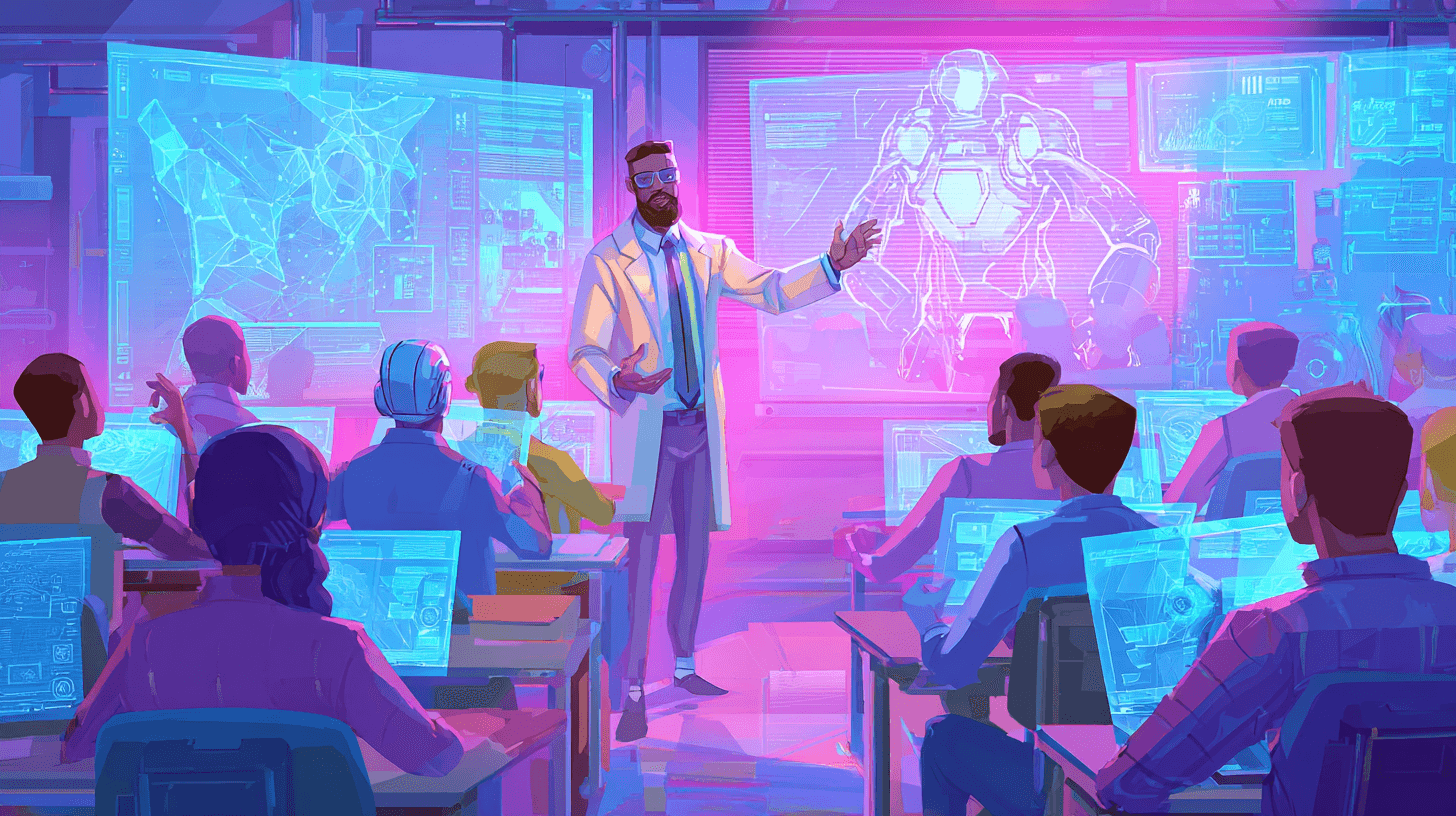
As the landscape of digital marketing continues to evolve with emerging technologies, several courses have emerged as leaders in integrating these innovations into their curricula. These courses cater to a variety of needs, from beginners wanting to grasp the fundamentals to experienced marketers seeking to stay ahead of the technology curve. Here’s a rundown of some top contenders that successfully incorporate new technologies into their offerings.
First up is the Digital Marketing Nanodegree by Udacity. This program emphasizes hands-on projects and real-world applications, providing students with a solid foundation in digital marketing principles while allowing them to work with tools like AI-based analytics and automated marketing solutions. The course covers essential topics like SEO, social media marketing, and email campaigns, all integrated with scenarios reflecting current market dynamics.
Another standout is Google’s Digital Marketing Course. This free resource not only covers standard digital marketing practices but also dives into how Google leverages machine learning to enhance ad performance. Participants learn through interactive modules, and the course emphasizes data-driven decision-making, enabling marketers to utilize analytics tools effectively as they do in the industry.
For those specifically interested in the convergence of digital marketing and advanced technologies, the Emerging Technologies in Digital Marketing Course by HubSpot Academy is a must. It focuses on how organizations can implement emerging technologies like VR, AR, and AI into their marketing strategies. With case studies from companies that have successfully transitioned to incorporate these technologies into their campaigns, learners gain practical insights that can be directly applied to their marketing efforts.
Furthermore, The Digital Marketing Institute offers a Professional Diploma in Digital Marketing that covers a broad range of topics, including digital strategy, social media marketing, SEO, and emerging technologies. This diploma emphasizes real-time learning, allowing participants to engage with fresh case studies, marketing simulations, and the latest platforms that shape the digital landscape.
Lastly, the AI for Marketing by Coursera focuses on how artificial intelligence is reshaping marketing strategies. Marketers who enroll in this course will not only understand the mechanics behind AI-driven tools but will also learn to implement these capabilities to optimize customer experiences and marketing outcomes. This course demonstrates how AI can be utilized to gather insights, personalize marketing communications, and ultimately drive conversions.
These courses provide not just theoretical knowledge, but substantial practical insights into incorporating emerging technologies into digital marketing strategies. By engaging in these educational opportunities, business owners, marketing directors, and digital marketers can ensure they remain competitive in this fast-paced environment, ready to embrace and utilize the latest advancements in technology.
Future trends in digital marketing education
As digital marketing continues to evolve, several trends are expected to shape the future of education in this field, particularly as new technologies emerge. Staying ahead requires not just an awareness of these trends but also a proactive approach to embracing them. Here are some key trends to watch out for in digital marketing education:
- Increased Focus on Data Analytics: With the growing emphasis on data-driven decision-making, digital marketing courses will increasingly incorporate advanced analytics training. Learners will be taught how to analyze consumer data effectively, utilizing tools such as Google Analytics, to derive insights that inform marketing strategies. Steps to embark on this learning include:
- Sign up for a reputable data analytics course or module as part of your digital marketing education.
- Engage in practical assignments that require interpreting real-time data.
- Learn to visualize data findings through dashboards and reports to communicate insights effectively.
- Integration of Artificial Intelligence: As AI technologies become pervasive in digital marketing, courses will likely focus on how to incorporate AI tools into marketing strategies. Students will gain hands-on experience with AI software that automates tasks like customer segmentation and ad optimization. To prepare for this shift:
- Explore courses specifically dedicated to AI in marketing.
- Participate in workshops that allow for interaction with AI tools.
- Implement AI strategies in simulated marketing campaigns to understand real-world applications.
- Emphasis on Customer Experience Management: The importance of enhancing customer experience will be a crucial element of digital marketing courses. Educators will focus on how emerging technologies can be used to create highly personalized marketing campaigns. Steps to enhance understanding in this area include:
- Enroll in courses that cover user experience (UX) design principles alongside marketing.
- Conduct case studies analyzing successful customer experience strategies.
- Participate in projects that simulate customer journey mapping, incorporating tech tools to improve user engagement.
- Workshops on Emerging Technologies: Courses will increasingly blend theory with practice, offering workshops that delve into the latest technologies such as AR and VR. Participants will learn how to create immersive marketing experiences that resonate with consumers. Prepare for this through:
- Attend workshops featuring hands-on experiences with AR/VR tools.
- Collaborate with peers to develop marketing campaigns that utilize these technologies.
- Continuously research the latest advancements to remain informed about upcoming tools and techniques.
- Collaborative Learning Environments: To foster creativity and innovation, the trend of interactive and collaborative learning is set to rise. Courses will engage students in group projects and peer-based evaluations, preparing them to work effectively in team settings. To take advantage of this trend:
- Join study groups focused on specific digital marketing challenges.
- Engage in collaborative project work within your course framework.
- Utilize online platforms to exchange ideas and strategies with classmates.
“The future belongs to those who prepare for it today.” – Malcolm X
By focusing on these trends, digital marketing education is set to become more relevant and impactful, ensuring that marketers are equipped with the essential skills and knowledge required to navigate the complexities of a technology-driven market.
Essential skills for digital marketers in a tech-driven world
 In today’s rapidly evolving digital marketing landscape, essential skills are no longer optional; they are critical for success. As emerging technologies reshape how businesses connect with consumers, digital marketers must develop a diverse skill set that goes beyond traditional marketing tactics. Understanding the latest innovations—from artificial intelligence to advanced data analytics—is crucial for staying competitive.
One of the fundamental skills every modern digital marketer should cultivate is proficiency in data analytics. The ability to interpret data and derive actionable insights allows marketers to make informed decisions, optimize campaigns, and measure effectiveness. Tools such as Google Analytics are now standard in the industry, signifying that a firm grasp of data analysis is indispensable for crafting successful marketing strategies.
Additionally, technical skills in automation and AI can significantly enhance marketing effectiveness. Marketers must learn to leverage tools that automate repetitive tasks, such as customer segmentation and campaign management, which not only saves time but also ensures precision in targeting. With AI rapidly becoming central to digital marketing efforts, familiarity with machine learning techniques can give marketers an edge in optimizing their campaigns based on real-time performance data.
Creativity is another vital component in the skill set of a successful digital marketer. With various digital channels and platforms, finding innovative ways to engage audiences is essential. This involves leveraging emerging technologies like virtual reality (VR) and augmented reality (AR) to create immersive experiences that drive engagement and enhance brand storytelling. Marketers must think outside the box, utilizing cutting-edge formats that captivate and retain consumer attention.
Moreover, strong communication skills remain paramount, especially in a field that thrives on collaboration and connection. Whether it’s conveying marketing strategies to stakeholders or crafting compelling content for diverse audiences, the ability to articulate ideas clearly is necessary. As public relations and consumer relations shift towards a more conversational tone, digital marketers must refine their messaging to resonate with the audience authentically.
As the landscape continues to change, adaptability is essential. Digital marketers need to remain agile, ready to pivot based on new trends, technologies, and consumer behaviors. Continuous learning through targeted courses focusing on emerging technologies will prepare marketers to navigate these shifts adeptly. Those who stay informed and adaptable can anticipate market changes and capitalize on new opportunities, ultimately driving growth for their brands.
- What are the essential skills needed for a digital marketer?
- Digital marketers need a combination of analytical skills, creativity, technical proficiency in tools and automation, and strong communication skills to successfully connect with their audience.
- How important is data analytics for digital marketing?
- Data analytics is crucial as it enables marketers to interpret consumer behavior, measure campaign performance, and make informed strategic decisions based on data-driven insights.
- Can emerging technologies enhance marketing strategies?
- Yes, emerging technologies such as AI, AR, and VR provide new ways to engage consumers and create immersive experiences that enhance brand interaction and connection.
- What role does creativity play in digital marketing?
- Creativity is vital in digital marketing for developing innovative campaigns that capture audience interest, differentiate brands, and foster lasting consumer relationships.
- How can digital marketers stay updated with industry trends?
- Participating in ongoing education, enrolling in courses focused on emerging technologies, attending industry workshops, and following relevant publications can help marketers stay current with trends.
- Is collaboration important in digital marketing?
- Yes, collaboration is essential, as many projects require input from various departments and stakeholders. Being able to communicate and work effectively with teams enhances campaign outcomes.
- What is the significance of adaptability in digital marketing?
- Adaptability allows marketers to respond to changing market dynamics, consumer behaviors, and technological advancements, ensuring their strategies remain effective and relevant.
Ready to Grow Your Business Online?
Four Star Digital Marketing helps businesses turn online visibility into real growth. Let’s build a smarter path to growth. Contact Four Star Digital Marketing today to discuss your goals and discover the right online marketing solution for your business.