
How to design effective flyers for local promotions
- Understanding flyer design principles
- Identifying your target audience
- Choosing the right format and size
- Crafting compelling headlines and copy
- Incorporating eye-catching visuals
- Utilizing effective calls to action
- Distributing your flyers strategically
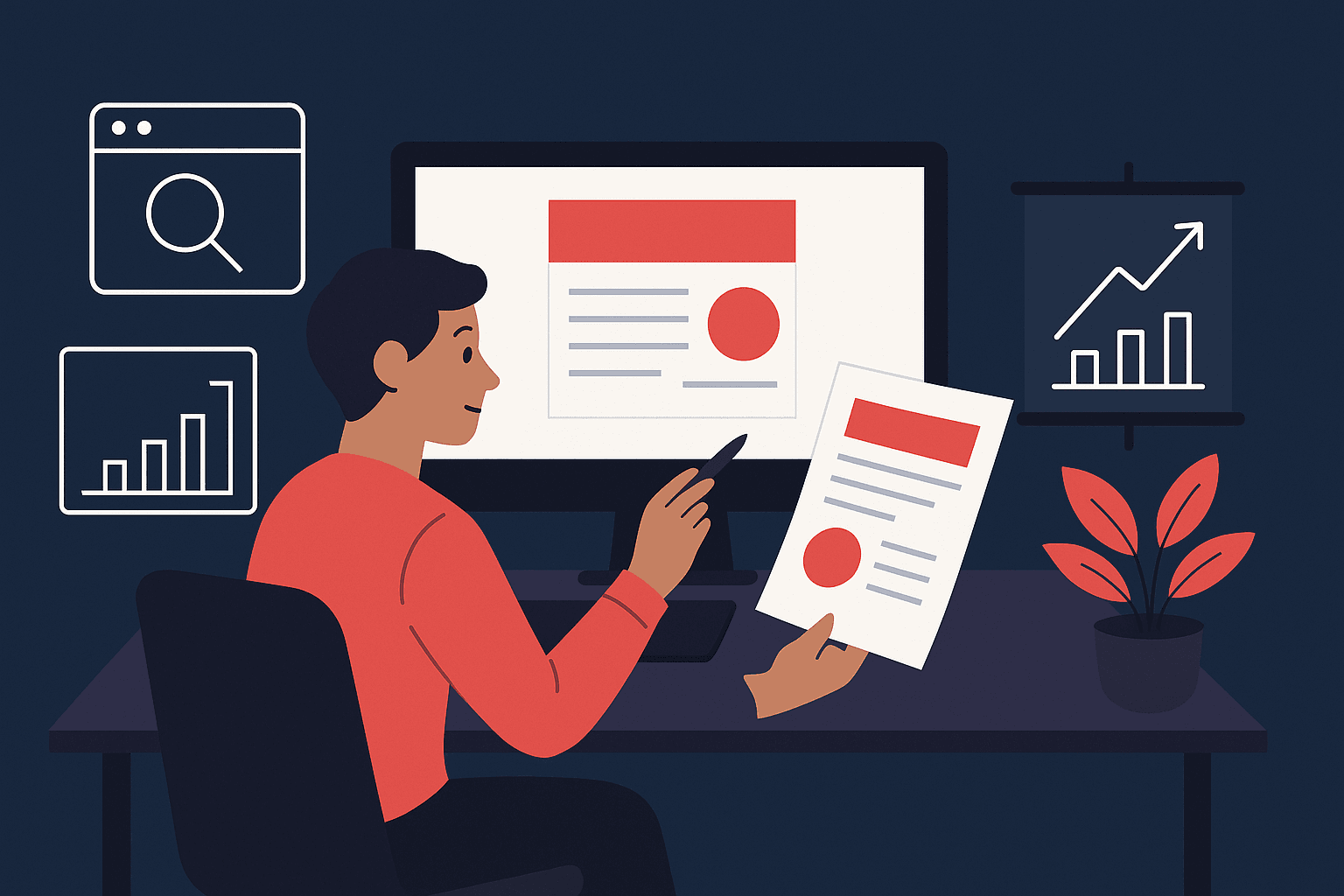
When diving into the world of flyer design, keeping a few fundamental principles in mind can be the difference between a flyer that gets glanced at and one that grabs attention and drives action. Let’s break this down in a way that’s easy to digest.
First and foremost, consider the layout. A clean and organized layout is crucial. Your flyer should guide the reader’s eye from one point to the next, typically following the natural flow of reading. Start with a bold headline at the top that captures attention, followed by supporting information strategically placed. Use ample white space to avoid clutter; it allows your content to breathe and ensures your message isn’t overwhelming.
Next, think about the color scheme. Colors can evoke emotions and influence behavior. For example, warm colors like red and orange can create excitement, while cool colors like blue and green can suggest calm and reliability. Choose colors that resonate with your brand and align with your promotional message. Additionally, use contrasting colors for your text to enhance readability. A flyer stuffed with visuals may look appealing, but if no one can read the important information, you’ve missed the mark.
Now, let’s chat about font choices. Typography is more than just letters on paper; it conveys personality. Stick to two or three fonts within your design. Use one for the headline, one for body text, and the other sparingly for emphasis. This maintains consistency while ensuring your flyer doesn’t become visually chaotic. Remember, readability is key—opt for fonts that are easy on the eyes and avoid intricate styles that may detract from your message.
Lastly, always maintain a clear focus on your message. Less is often more when it comes to copy. Aim for concise messaging that communicates your promotional offer without overwhelming readers with information. Bullet points can be your best friend here—list benefits or features clearly to guide the reader through your flyer easily.
By adhering to these fundamental design principles, you can create flyers that not only look good but also perform well in your local promotions. With a solid design foundation, your subsequent flyer elements, like visuals and calls to action, will have a robust platform to build on.
Identifying your target audience

Choosing the right format and size
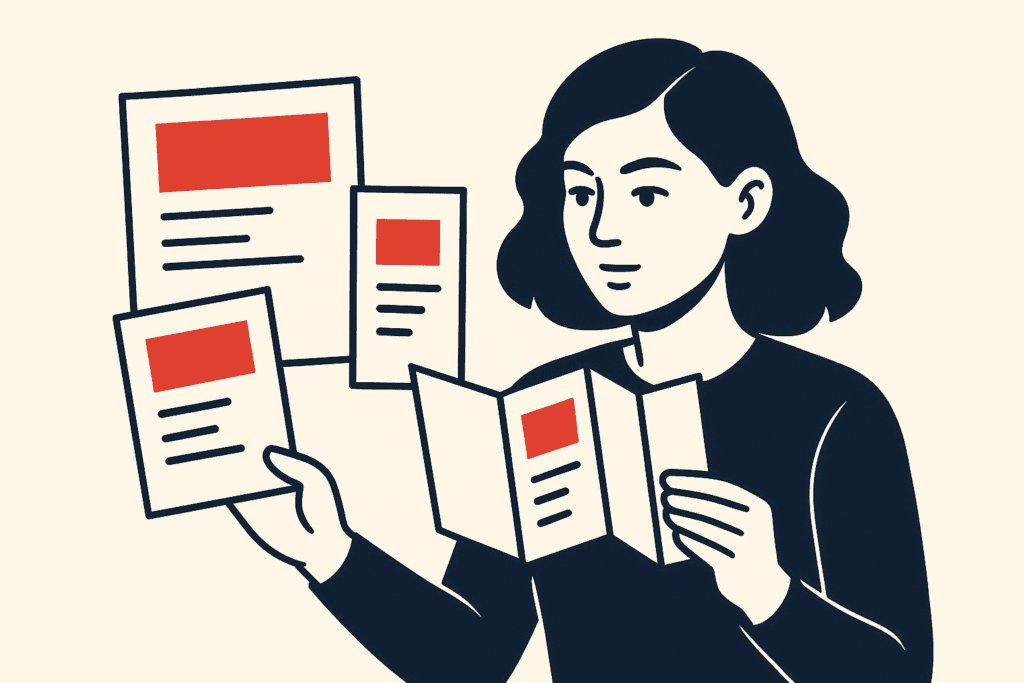
Choosing the right format and size for your flyers is a pivotal step that significantly impacts their effectiveness in local promotions. When we talk about format, we’re addressing how your flyer will be physically shaped and presented. Different formats serve different purposes and can influence how the audience interacts with your message. For starters, you can consider traditional formats like standard letter size (8.5 x 11 inches) or half-sheet sizes (5.5 x 8.5 inches). These are tried-and-true choices that offer plenty of space for information without feeling overwhelming.
However, don’t shy away from creative alternatives! For instance, if you’re promoting a special event, unique shapes like a folded brochure or even a die-cut flyer can grab attention in a stack of conventional offerings. Imagine a flyer shaped like a ticket for a local concert or an ice cream cone for a summer festival—this creativity can spark curiosity and make an impression that sticks! With formats like these, it’s essential to consider how they’ll function in practice: will they fit conveniently in a pocket or bag? Are they easy to display on community boards? A well-thought-out format provides utility beyond aesthetics.
Size is also key in the decision-making process. Larger flyers might give you the luxury of more space to elaborate on details, making them ideal for events or announcements that require more information. On the other hand, smaller sizes can be great for handouts and quick pointers, especially when distributing them directly to your audience. Think about your distribution method: if you’re standing at a busy local market handing them out personally, a smaller flyer might be easier to handle and less likely to get rejected.
Let’s also think about how these dimensions will affect printing costs. Larger sizes typically mean higher costs, especially if you’re considering vivid color prints on both sides. It’s worth running the numbers to figure out if a more budget-friendly size can still deliver your message effectively. For small local businesses, where every dollar counts, finding that sweet spot between impact and cost is crucial. You might discover that opting for a smaller size results not only in savings but also in increased engagement; audiences may appreciate a concise and easily digestible flyer that they can peruse on-the-go.
As you make these decisions, keep in mind how each choice aligns with your overall goals for the campaign. For example, if your objective is to generate foot traffic to your local store, a larger flyer in an inviting format might work wonders. Alternatively, for a special promotion that requires quick actions, a compact flyer with a clear call to action may be the trick. Ultimately, the best format and size will provide a seamless reading experience, allowing your audience to absorb the core message rapidly and clearly.
When in doubt, consider running focus groups or tests with your existing clientele. Getting feedback on formats and sizes can lead to invaluable insights that refine your final product. By choosing wisely, your flyers can serve as a powerful vehicle for enhancing local promotions, ensuring your message not only reaches but resonates with your intended audience.
Crafting compelling headlines and copy
Crafting headlines and copy that captivate your audience is crucial for the success of your flyers. A well-constructed headline can draw readers in and compel them to engage further with your content. Here’s how to achieve that effectively.
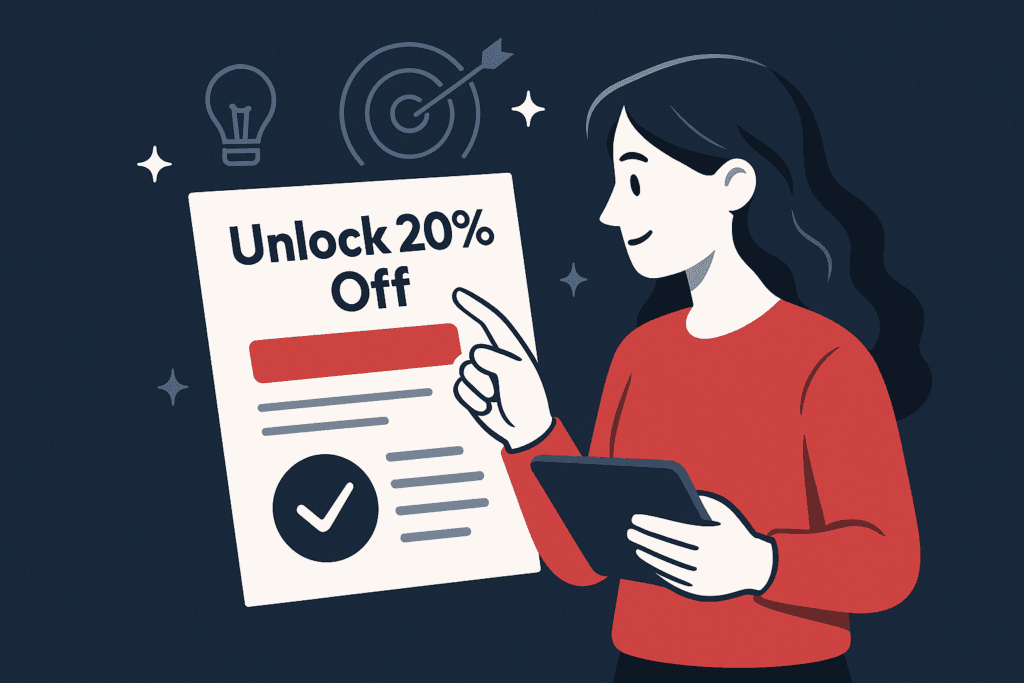
- Start with a Powerful Headline: Your headline is the first element that potential readers will see. It should be attention-grabbing yet informative. Aim for clarity and impact by using strong action words and phrases that convey urgency or exclusivity. For example, “Unlock 20% Off Your Next Purchase—This Weekend Only!” immediately communicates value and urgency.
- Keep It Concise: Aim for brevity in your headlines and copy. Ideally, a headline should be no longer than 6-10 words. This helps ensure it can be quickly read and understood. In the body of your flyer, use short sentences and bullet points to distill key information quickly, making it easier for the reader to grasp what they need to know.
- Emphasize Benefits Over Features: While it’s important to provide information about what you’re offering, focus more on how it benefits your audience. Instead of saying, “We offer the best coffee in town,” try, “Enjoy our locally roasted coffee and get a free pastry with every purchase!” This shifts the focus to what the reader stands to gain, which is more compelling.
- Incorporate Storytelling: Where applicable, weave a short narrative into your copy. Sharing a brief story or testimonial can forge a personal connection with your audience. For instance, “Join Jane, a satisfied local customer, who found her new favorite hangout spot at our café!” This creates relatability and encourages readers to see themselves in the experience.
- Utilize Call-out Phrases: Use call-out phrases or questions in your copy to generate curiosity. Phrases like “Did you know?” or “Imagine this…” can drive engagement and encourage potential customers to think about your offer more critically. This method allows for a conversational tone that can draw readers in.
- A/B Testing Your Copy: Before finalizing your flyer, conduct A/B testing to determine which headlines or phrases are most effective. Create two versions of your flyer with different headlines or body text, and distribute them to a small segment of your audience. Analyze the responses and adapt based on what resonates most.
“The best marketing doesn’t feel like marketing.” – Tom Fishburne
Employing these strategies will enhance your ability to craft headlines and copy that resonate with your local audience. A well-designed flyer with strong messaging can significantly influence the success of your promotional efforts, ensuring that your offers not only reach but also engage the intended recipients.
Incorporating eye-catching visuals
Incorporating visuals that capture attention is essential for making your flyers stand out amidst a sea of advertisements. When considering visuals, think about the emotional response you want to evoke in your audience. A striking image can often convey your message more powerfully than text alone. For instance, if you’re promoting a community event, consider using vibrant, high-quality images that showcase the excitement and engagement at past events. Even a simple photo of smiling faces can make people feel a connection and desire to participate.Color plays a significant role in visual appeal. Align your visuals with your brand’s color scheme to create a cohesive look throughout the flyer. Experimenting with colors can stir emotions; for example, bright and bold colors can evoke feelings of joy and enthusiasm. However, balance is key—overly vibrant visuals without context may distract instead of attract. Aim to use colors that complement your message and enhance the readability of any accompanying text.Typography, as previously discussed, should be consistent with the visuals you incorporate as well. Ensure that your fonts are legible and suitable for the mood conveyed by the images. For instance, a modern font may pair well with sleek, contemporary visuals, while a more whimsical font could enhance a playful design. It’s about creating synergy between the visuals and the text that not only draws the eye but also communicates your message effectively.Incorporating logos and branding elements is another critical step. Your flyer should feel like a part of your brand’s larger narrative. Including a logo prominently reinforces brand recognition, allowing your audience to associate your promotional efforts with their existing perceptions of your brand. This can be particularly effective in local promotions where community members may have prior knowledge of your business. Consistent branding across all materials enhances trust and professionalism.Lastly, remember that visuals should support and not overshadow your message. Always consider the hierarchy of information—highlight critical details and let your visuals enhance rather than compete with your content. The right balance can lead to a flyer that is not only visually appealing but also engaging and effective in prompting action.- What kind of visuals should I use in my flyers?
- Use high-quality images that reflect your message or brand. Consider photos that evoke emotion, and ensure they relate closely to your content, whether it’s a community event or a promotional offer.
- How can I make sure my visuals align with my message?
- Choose images and colors that resonate with the core theme of your promotion. Test different visuals to see which effectively communicates your offer without detracting from the key message.
- Should I use stock images or original photos?
- While stock images can be cost-effective and time-saving, original photos can add authenticity and a personal touch to your flyers. Consider using a mix of both depending on your resources.
- How important is color when designing my flyer?
- Color plays a crucial role in conveying emotion and attracting attention. Use a color scheme that aligns with your brand while also evoking the desired response from your target audience.
- Can typography affect the effectiveness of my visuals?
- Absolutely! Typography should complement your visuals, enhancing clarity and reinforcing your brand identity. Choose readable fonts that convey the appropriate tone for your message.
- How can I ensure my flyer is eye-catching?
- Combine striking visuals with compelling headlines, a balanced layout, and engaging text. Experiment with different design elements while keeping your target audience in mind.
- What are some design tips to incorporate into my flyers?
- Focus on a clean layout, use appealing colors, choose readable fonts, and ensure strong visuals support your message. Aim for a cohesive design that captures attention while conveying essential information clearly.
Utilizing effective calls to action
No matter how stunning your flyer is, if it doesn’t compel the viewer to take action, it’s merely decoration. This is where effective calls to action come into play, acting as the bridge between interest and engagement. Each flyer you create should guide your audience toward a clear next step. Here’s how to craft calls to action that get results.
First, clarity is paramount. Your call to action needs to be unmistakable in its intent. Instead of using vague phrases like “Learn More” or “Check This Out”, opt for specific phrases that clearly outline what you want your audience to do. For example, say “Visit Our Store for Free Samples Today!” or “Sign Up Now for Exclusive Offers!” This not only tells them what to do but also adds an element of urgency that can prompt immediate response.
Next, consider placement. Your call to action should stand out in your flyer design, both visually and contextually. Use contrasting colors to differentiate it from the rest of your flyer, making it easy for readers to spot. Additionally, position it strategically—typically at the bottom or alongside your primary message. This way, readers can act right when they feel most inclined after absorbing the key points of your flyer.
Furthermore, it’s wise to incorporate a benefit into your call to action. Highlight what the audience will gain by taking that step. Instead of simply stating “Sign Up”, say “Sign Up for Our Newsletter and Get 10% Off Your First Purchase!” This provides an incentive that can further motivate your audience to act. People are more likely to follow through when they see a direct benefit to themselves.
Another effective tactic is to measure your calls to action and optimize them based on feedback and results. Use tracking codes on links or unique promotional codes to evaluate how effective your flyer is in driving action. If one call to action outperforms another, analyze what made it resonate more and adjust future flyers accordingly. A/B testing can be a useful tool here, letting you play with language, design, and positioning to find the most compelling combination.
Don’t forget to simplify the action you want the reader to take. If it involves multiple steps—like signing up for an event, for instance—make the process as straightforward and easy as possible. Clear instructions lead to higher conversion rates. If readers perceive friction in the process, they may abandon their intentions altogether.
Finally, tie your call to action back into your overall flyer messaging. Ensure that it feels like a natural conclusion to what you’ve presented. If you’ve spent your flyer outlining the benefits of a local service, your call to action should flow seamlessly from that content, acting as a natural next step in the reader’s journey.
By employing these strategies, your flyers will not only capture attention but will also motivate your target audience to engage with your promotions actively. Effective calls to action transform a simple flyer into a powerful marketing tool that drives local engagement and growth.
Distributing your flyers strategically
Effective distribution of your flyers is critical to maximizing their impact in local promotions. It’s not merely about creating eye-catching designs or compelling copy; what truly matters is how and where you choose to share them. The right distribution strategy can significantly enhance your reach, ensuring that your message resonates with your target audience at the right moment.
First, consider the timing of your distribution. Align your flyer distribution with local events, holidays, or key shopping periods to capitalize on increased foot traffic. For example, if your promotion revolves around a summer festival, ensure your flyers are circulated in the weeks leading up to the event and distributed onsite. Catching your audience’s attention when they are most likely to be engaged in your offering is essential for effective outreach.
Next, think strategically about your physical distribution locations. Identify the places where your target audience congregates. Local coffee shops, community centers, gyms, and parks can serve as perfect venues for flyer placement. Participating in local fairs or farmers’ markets also provides an excellent opportunity for direct interaction with potential customers while distributing your flyers. Additionally, don’t underestimate the power of partnering with other local businesses; arrangements for mutual display of each other’s flyers can foster community goodwill and extend your reach.
Utilize digital distribution methods to supplement your physical efforts. Consider creating a digital version of your flyer to share on social media platforms, your website, or via email newsletters. Engaging visuals adapted for online use can attract attention on platforms where your audience is active. Social media’s viral nature can amplify your efforts, so encourage shares and interactions by designing visually appealing posts that direct back to your flyer’s full offerings.
Moreover, employing a door-to-door approach in targeted neighborhoods can yield results, especially for service-based businesses. Introducing your flyer directly into homes allows for personalized touches—such as including a handwritten note or a small business card—thus enhancing the connection with your potential customers. Be sure to comply with any local regulations regarding door-to-door distributions to maintain goodwill within the community.
Another powerful avenue is leveraging local events and networks. Community events are fertile grounds for flyer distribution. Set up a booth where you can engage with attendees directly, allowing you to hand out flyers while personally communicating your message. This also cultivates a sense of belonging and engagement beyond merely sharing a flyer. Alternatively, networking groups or local associations can provide access to targeted audiences who may benefit from your offerings, leading to more effective distributions.
Lastly, consider tracking the effectiveness of your distribution methods. Implement unique codes or QR codes on your flyers that lead to specific landing pages, allowing you to monitor engagement metrics and conversion rates. This data provides valuable insights into what works and what doesn’t, enabling you to refine your distribution strategies continuously for future campaigns.
By approaching the distribution of your flyers with careful consideration and strategic planning, you’ll enhance the likelihood of your local promotions gaining traction and ultimately driving traffic to your business. Distributing your flyers thoughtfully transforms them from mere paper into a crucial marketing tool that connects you with your audience and encourages engagement with your offerings.
Ready to Grow Your Business Online?Four Star Digital Marketing helps businesses turn online visibility into real growth. Let’s build a smarter path to growth. Contact Four Star Digital Marketing today to discuss your goals and discover the right online marketing solution for your business.Four Star Digital Marketing Strategy Blueprints